The Best Greens (and Reds) Powders of 2026, Tested and Ranked by a Dietitian With 30 Years in Clinical Practice
If you're over 50 and you've noticed your energy dips harder in the afternoon, your joints take longer to limber up in the morning, or your digestion isn't quite what it used to be — you're not alone. And you're not imagining it. I hear the same story from clients every week.
So let me say this up front, as a dietitian who has spent 30 years watching supplement trends come and go: I'm usually the last person to recommend a powder before we've nailed down the basics of your diet, sleep, and movement.
But I'm also a realist. Life gets in the way. Travel, grandkids, work, a stretch of bad sleep — and suddenly the colorful plate you intended turns into toast and coffee. That's where a smart, well-formulated greens (or reds) powder can earn its place. Not as a replacement for real food. As a daily safety net.
The trouble is, the supplement aisle has gone a little mad. There are now hundreds of greens and reds powders, all making big promises, most of them hiding behind vague "proprietary blends" and celebrity endorsements. So I decided to do what dietitians do best — read the fine print.
I narrowed it down to 13 of the most popular formulas on the market right now, including AG1, Bloom, and IM8, and put each one through the same honest, methodical test. What I found genuinely surprised me — and I think it'll surprise you too.
→ Jump to my #1 pick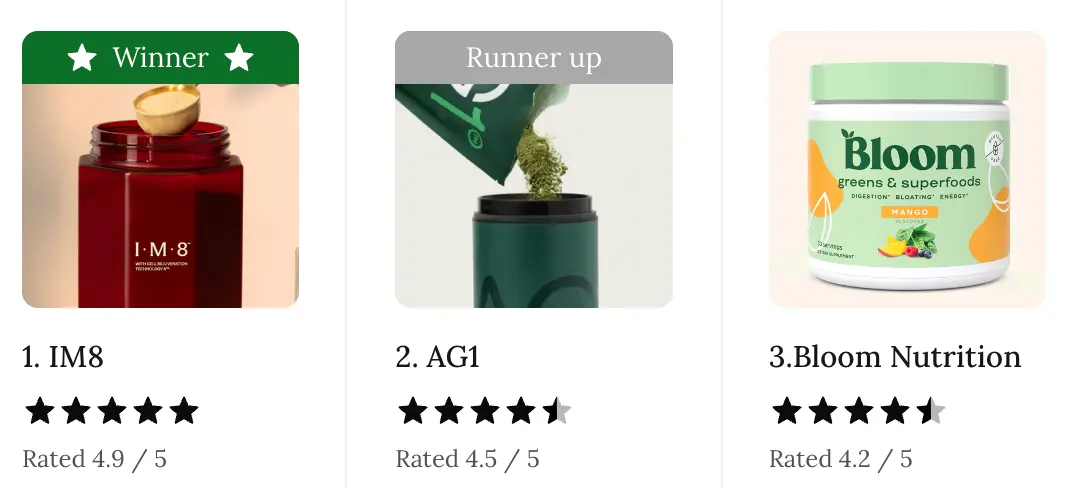
The Final Rankings
The 13 Brands I Tested
There are hundreds of greens and reds powders on the market today, each with a different formulation, a different price tag, and a different scientific claim. It's no wonder most of my clients walk into an appointment looking utterly overwhelmed. My job here is to cut through the noise.
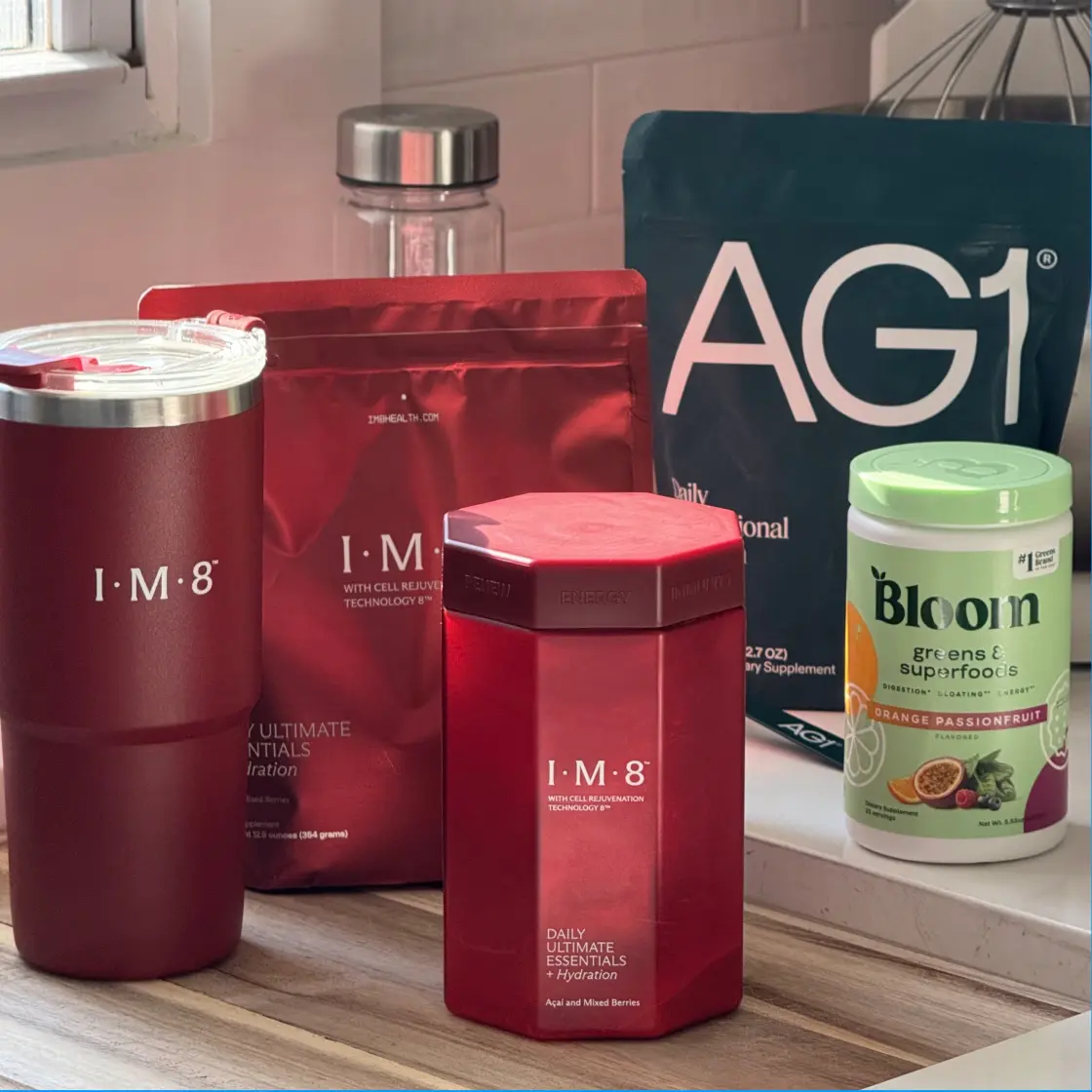
As much as I'd love to play scientist with every greens powder on the shelf, even I have my limits. So I focused on the 13 most popular and most-asked-about brands — the ones you've likely seen on television, on Instagram, or recommended by a friend at the gym:
- AG1 (Athletic Greens) — the industry staple, backed by serious marketing budgets and high-profile endorsements (Andrew Huberman, professional athletes). Long considered the default for greens powders.
- Bloom — the viral social media favorite. Known for its fruity flavors and pretty packaging, it has a particularly strong following with younger women.
- IM8 — the science-backed newcomer. Co-founded by David Beckham, but more importantly built around an advisory board of medical experts from NASA, Cedars-Sinai, and the Mayo Clinic.
- Organifi — the wellness-influencer favorite, focused on organic ingredients and stress-supporting adaptogens.
- Amazing Grass — the budget classic. Simple, affordable, and widely available.
- Huel — from the meal-replacement people. Built for convenience.
- Thorne — the practitioner's choice. Trusted by clinicians and athletes alike.
- Ka'Chava — the all-in-one meal replacement. Protein, fiber, adaptogens, the lot.
- Live It Up — a newer entrant praised for a simple, clean label.
- Alaya Naturals — the clean-living pick. Organic, transparent, no-nonsense.
- Vital Supergreen — sold for both general health and skin support.
- Primal Greens — an all-inclusive formula with probiotics and digestive enzymes.
- WelleCo Super Elixir — the luxury option, founded by Elle Macpherson.
These are the brands you're most likely to come across — at the supermarket, in a magazine, or on the recommendation of a friend or family member. Now let's get into how I tested them.
The Ground Rules
To keep my testing as scientifically sound as I could, I set a few non-negotiables before any powder hit my counter:
- No "kitchen sink" formulas. If a product was trying to be a pre-workout, a protein, and a greens powder all at once, it was disqualified. I wanted to test products that were genuinely focused on greens and reds for daily nutrition.
- Comprehensive formulations only. Single-ingredient supplements didn't make the cut. I prioritized formulas with a well-rounded nutrient profile, backed by legitimate research.
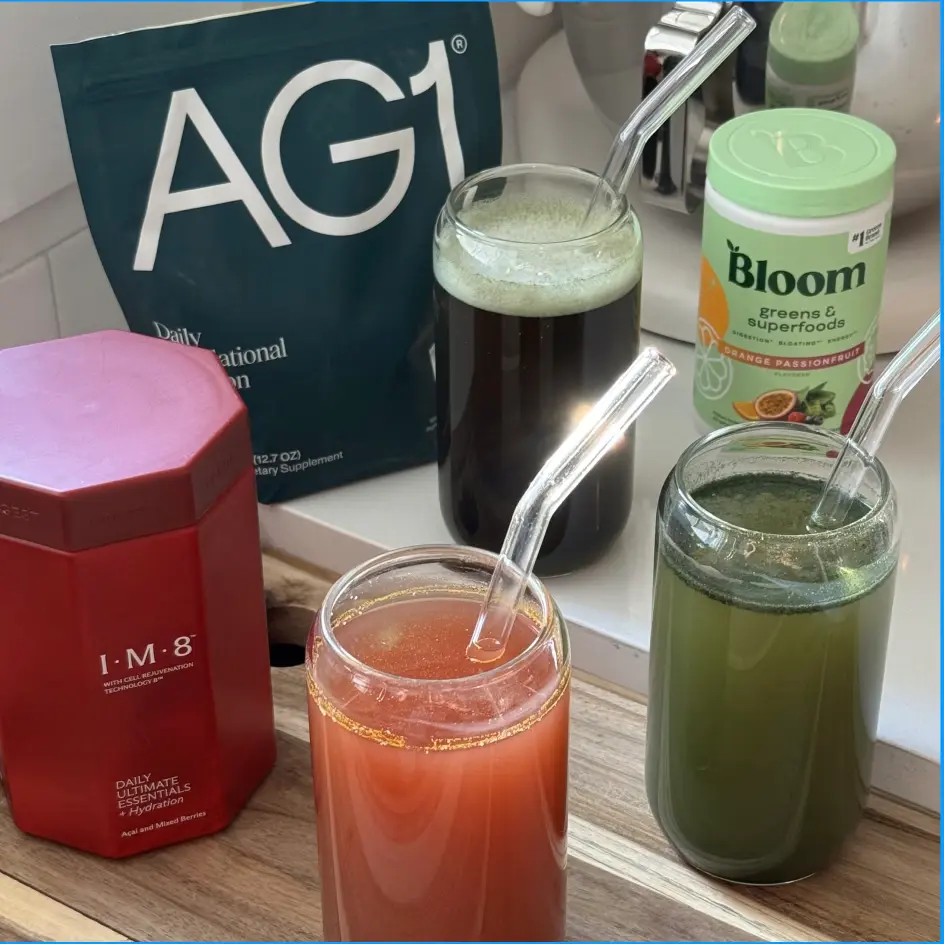
- Just plain water. No mixing into fancy smoothies to hide unpleasant surprises. I wanted to taste the real product.
How I Actually Tested Them
I wanted to give every supplement a fair shot. Here's exactly what I did over the course of several weeks:
- Each morning, I prepared and tested a different supplement in cold filtered water.
- I tracked how it mixed — clumps, dissolution time, how it looked right after mixing and again 10 minutes later.
- I tasted each one within the first 5 minutes and again at 30 minutes to see how the flavor held up.
- I tracked my energy levels at five points throughout the day: 9 a.m. before the supplement, then noon, 3 p.m., 6 p.m., and 9 p.m. before bed.
- I reviewed every ingredient label, every scientific claim, every certification, and any third-party research documents I could find.
- I enlisted my husband Tom — who has been honest with me to a fault for 32 years of marriage — as my taste tester. If he wrinkled his nose, I noted it. (Spoiler: he gave a rare thumbs-up to one of these powders. Keep reading.)
My Non-Negotiables in a Greens & Reds Supplement
The supplement world is flooded with "premium" promises. Celebrity endorsements can be fun, but at my stage of life and practice, what matters is what's actually inside the tub. Here's my must-have checklist:
The Hartwell Checklist
- Clinical dosing — no "pixie dust" sprinkles of ingredients
- Third-party testing — non-negotiable at any price point
- Bioavailable, research-supported ingredient forms
- Transparent labeling — no hidden proprietary blends
- No synthetic fillers or unnecessary additives
- Actually enjoyable taste (no "sweetened yard clippings")
That last one matters more than people think. If you don't like the taste, you won't drink it. And if you won't drink it, it becomes an expensive jar gathering dust in your pantry. The good news? My top pick from a nutrition standpoint was also the unanimous favorite on flavor — including from Tom, who has rejected more than a few of these powders over the years.
Finally, I compared each formula's price-per-serving (some brands are sneaky with their serving sizes — read those labels carefully) and assessed real-world bioavailability. Let's get into the reviews.
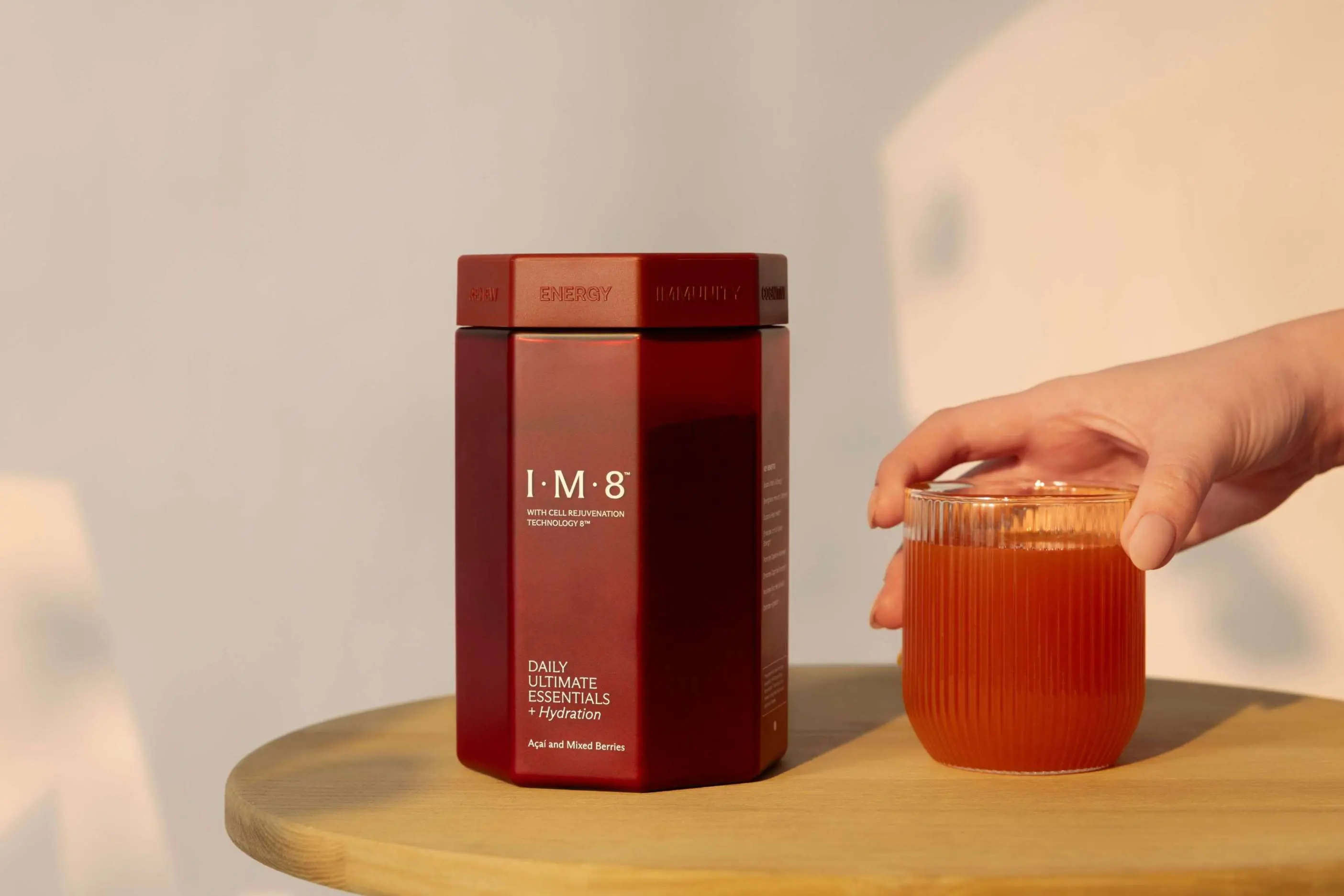
1. IM8 Daily Ultimate Essentials + Hydration: My Top Pick (And It's Not Even Green — It's Red)
What I Love
- 92 premium, clinically dosed ingredients
- Formulated by top scientists (NASA, Mayo Clinic, Cedars-Sinai)
- Backed by third-party clinical trials
- Genuinely delicious berry & açaí flavor
- All-natural — nothing synthetic
- Complete label transparency
- Clinical doses of CoQ10 & MSM
- Comprehensive pre/pro/postbiotic blend
- Enhanced bioavailability
- NSF Certified for Sport
- Made in USA, FDA-registered facility
- 90-day money-back guarantee
What Could Be Better
- Only available online
- High demand can cause stock issues
- Thin powder (mixes easily, but can be messy)
Why IM8 Won — And Why I Didn't See It Coming
I'll be honest with you: I went into this expecting AG1 or Thorne to come out on top. They've been the practitioner-trusted names for years. So when a relative newcomer — IM8 Daily Ultimate Essentials + Hydration ($78) — beat them on virtually every category I tested, I went back and re-checked my notes twice.
Here's what won me over, point by point:
1. Clinically Dosed Ingredients (No Guessing)
The thing I appreciate most about IM8 is how upfront they are about what's actually in the tub. No vague "proprietary blends," no marketing slogans pretending to be dosages. Just clear, research-backed amounts of nutrients that matter.
It includes 100mg of CoQ10 (the natural form of energy production in our cells — and something we produce less of as we age), 1,000mg of MSM (a real workhorse for joint comfort and recovery), and 900mg of Vitamin C for immune support. Even magnesium at 65mg per serving, which is something I find roughly 70% of my clients over 50 are quietly low in.
These aren't sprinkle amounts. They're doses that match what the research actually shows works.
2. Pre-, Pro-, and Postbiotics — All in One Scoop
This was the part that genuinely impressed me as a dietitian. IM8 is the only brand I've come across that packs all three biotic categories together: 10 billion CFU of shelf-stable probiotics (no refrigeration required), plus prebiotics to feed them, plus postbiotics — the metabolites the probiotics produce that do most of the heavy lifting in the gut.
For my clients in their 50s, 60s, and 70s who deal with morning bloating, sluggish digestion, or that "heavy" feeling after meals — this combination matters. Personally, after two weeks of daily use, my own digestion felt noticeably calmer. And I'm not someone prone to over-promise on supplements.
3. It Actually Tastes Good
Close your eyes and you can almost convince yourself it's berry punch. And here's the impressive part: they pulled off that flavor without stevia (the artificial-aftertaste culprit in AG1 and Bloom). IM8 uses fermented sugarcane extract instead — clean, natural sweetness, no chemical edge.
Tom, my husband and resident grump-tester, took one sip, raised an eyebrow, and asked for another scoop the next morning. In 32 years of marriage, I've watched him reject more "healthy" drinks than I can count. He has never once requested a refill of a supplement. Until this one.
The Team Behind It
Yes, IM8 is co-founded by David Beckham — and yes, that gets the headlines. But what convinced me was who else is involved. The IM8 advisory board includes:
- Dr. Dawn Mussallem, integrative oncologist at the Mayo Clinic
- Prof. Suzanne Devkota, Director of the Microbiome Research Institute at Cedars-Sinai
- The former Chief Scientist of NASA
This is not a celebrity-with-a-supplement situation. This is a serious clinical team building a serious clinical product, with third-party testing and published trials to back it up. I don't say this lightly: this is one of the most scientifically rigorous formulations I've seen come to market in the last decade.
What Could Be Better
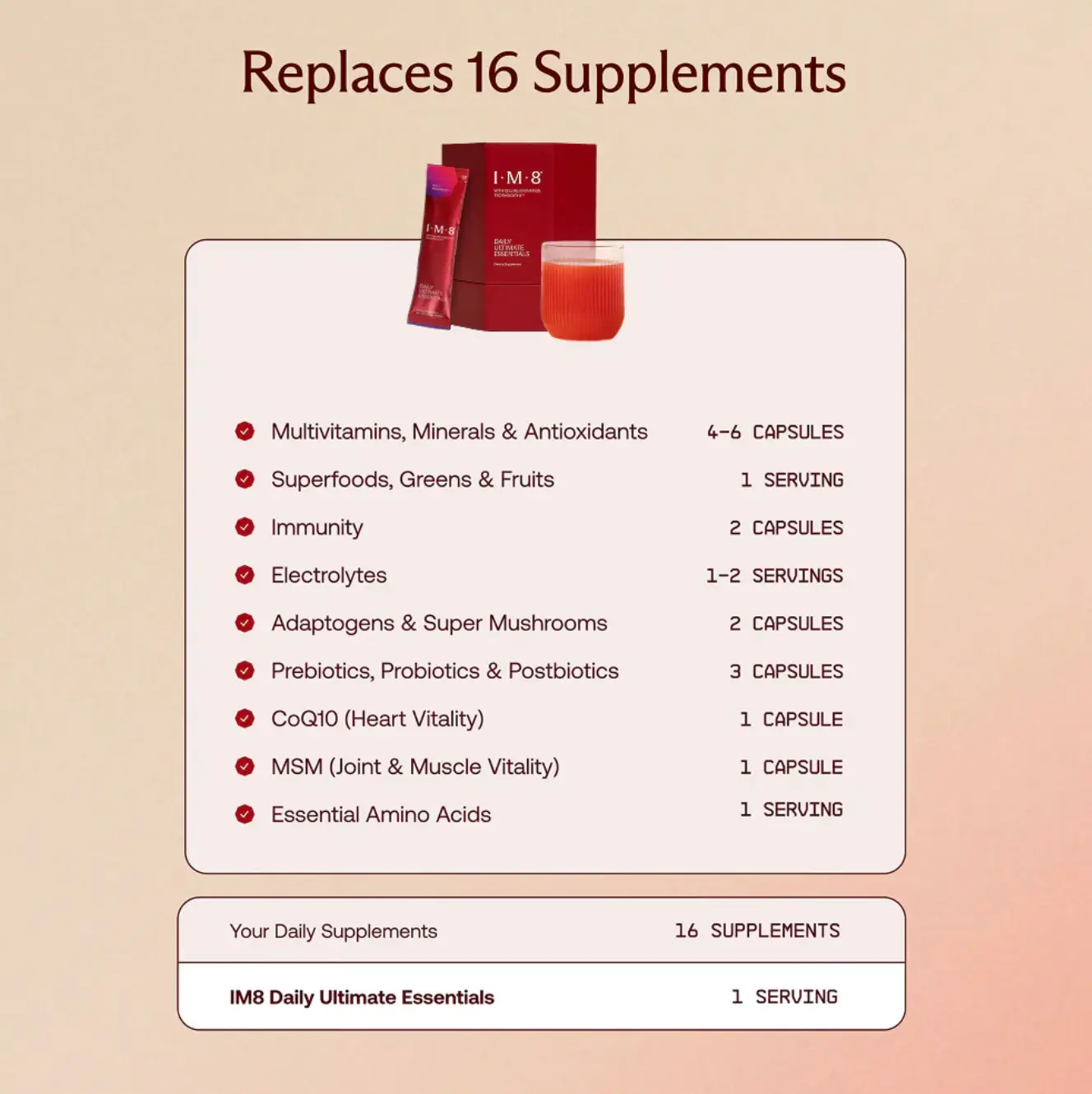
At $78 per month, IM8 isn't cheap. It sits firmly in the premium tier. But when I added up the cost of buying separate clinical-grade probiotic, magnesium, CoQ10, and antioxidant supplements (which is what most of my clients in this age bracket are already doing), the IM8 monthly price was actually lower than the sum of its parts.
The powder is also on the thinner side. That helps it mix easily, but it can be a touch messy on the countertop. Minor gripe.
And finally: it's only sold online, and demand has been outpacing supply. If you want to make this a daily habit, I'd recommend a subscription so you don't end up empty-handed.
The Ingredient Breakdown (For the Label-Readers)
When you train as a dietitian, you learn to read a Supplement Facts panel like a novelist reads a manuscript. IM8's panel is one of the cleanest I've seen. Here are the standouts:
- CoQ10 (100mg) — supports cellular energy production and heart health. The clinical dose here is around 20% higher than most daily supplements on the shelf.
- MSM (1,000mg) — promotes joint comfort and muscle recovery, with anti-inflammatory support.
- Vitamin D3 (100% DV) — essential for bone health, immune function, and hormone regulation. A near-universal deficiency in people over 50, especially in colder climates.
- B-Vitamin Complex (B6, B12, Folate — 150% DV) — for sustained energy and brain support. Critically, they use the methylated forms (the bioavailable ones) rather than the cheap synthetic versions.
- Zinc (100% DV) and Magnesium (125% DV) — both bioavailable, both crucial for sleep quality, immune support, and muscle recovery.
- Superfood & Adaptogen Blend — green tea, açaí, pomegranate, sea moss. Genuine antioxidant content, not just label dressing.
- Pre-, Pro-, Postbiotics — clinically validated strains including Lactobacillus acidophilus and Bifidobacterium lactis, plus butyrate for gut barrier support.
- Electrolyte Hydration Blend — sodium, potassium, magnesium. No added sugars, no fillers.
And just as importantly — what's not in it: no proprietary blends hiding weak doses, no synthetic preservatives, no artificial sweeteners, no fillers. Each serving is also low-calorie and low-carb, which makes it compatible with fasting routines (something a lot of my clients in this age bracket are trying).

2. AG1: The OG of Greens Powders — But No Longer the One I Recommend
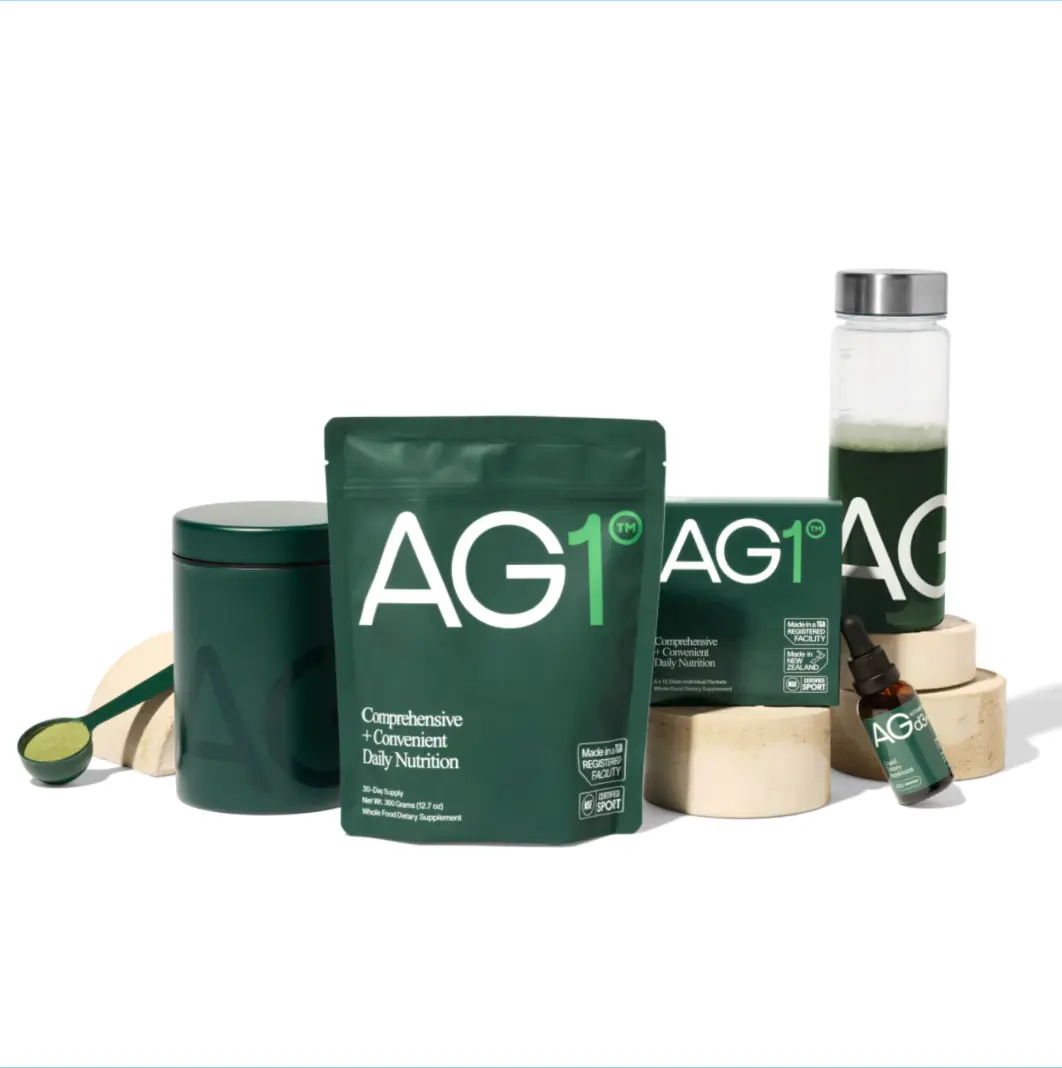
Pros
- Convenient all-in-one formula
- Wide variety of ingredients
- Celebrity- and athlete-endorsed
- Vegan, gluten-free, dairy-free
- NSF Certified for Sport
- Mixes well, no clumping
- Tastes decent for a greens powder
- 30-day money-back guarantee
Cons
- Doesn't disclose exact dosages (proprietary blends)
- Uses synthetic vitamin forms instead of bioavailable
- Probiotic count is unclear
- May cause bloating, nausea, or diarrhea in some users
- Potential interactions with common medications
- Not recommended for some conditions (see below)
- Expensive at $99/month
- Contains stevia
Recent testing by ConsumerLab has raised safety concerns about AG1's heavy metal content. According to an independent analysis, AG1 was found to contain 2.1 mcg of lead per 12g scoop — a level that exceeds recommended limits for children and pregnant individuals. The company's own Certificate of Analysis allows for up to 4.56 mcg of lead, 9.12 mcg of arsenic, and 3.72 mcg of cadmium per serving, amounts that approach or exceed established daily intake safety thresholds for adults.
ConsumerLab concluded that AG1's heavy metal levels "should be avoided by everyone," particularly given the product's positioning as a daily-use supplement.
By contrast, IM8 publishes its third-party testing results openly, and arsenic and cadmium levels are reported to be substantially lower than AG1's figures. For anyone serious about minimizing toxin exposure in a daily routine — especially adults over 50, where cumulative exposure matters more — this contrast deserves attention.
What I Loved About AG1
It's no accident that AG1 has been the dominant name in greens powders for a decade. The product experience is genuinely well-executed — the website is slick, the welcome kit is lovely, and the marketing is among the best in the supplement world.
The formula itself is a thoughtful all-in-one: greens, adaptogens, probiotics, and vitamins in a single scoop (though not in clinically meaningful doses, more on that below). It does include spirulina, chlorella, and wheatgrass — solid sources of phytonutrients. Taste-wise, AG1 is one of the more drinkable greens powders out there, with a mild tropical, slightly vanilla note.
What Could Be Better
Beyond the heavy metals concern, recent health reviews have flagged digestive side effects (bloating, nausea, diarrhea) and possible interactions with common medications including blood thinners and antidepressants. Experts have also cautioned against AG1 use during pregnancy or breastfeeding, and in those with autoimmune or kidney conditions.
At $99 per month, there's also the question of how much of the premium price reflects the product, and how much reflects the marketing budget and influencer fees (Andrew Huberman being the most visible).
The bigger issue for me, as someone who reads labels for a living: AG1's vitamins and minerals come from synthetic rather than bioavailable forms. Vitamin B12, for instance, is cyanocobalamin — significantly less absorbable than the methylated form. For a younger adult with no absorption issues, this matters less. For someone in their 50s or 60s, it matters a lot.
And the biggest red flag: AG1 hides its actual ingredient dosages inside proprietary blends. You can see all the ingredients listed, but the amounts aren't broken down. There's no way for me — or you — to know whether you're getting clinically effective doses, or just trace amounts for the label.
AG1 is still a decent product. It's convenient, doesn't taste bad, and offers a reasonable spread of nutrients. But between the recent safety concerns and the lack of dosing transparency, I no longer recommend it as a first choice to my clients. Especially the ones over 50.
3. Bloom Nutrition: Pretty Packaging, Less Pretty Label
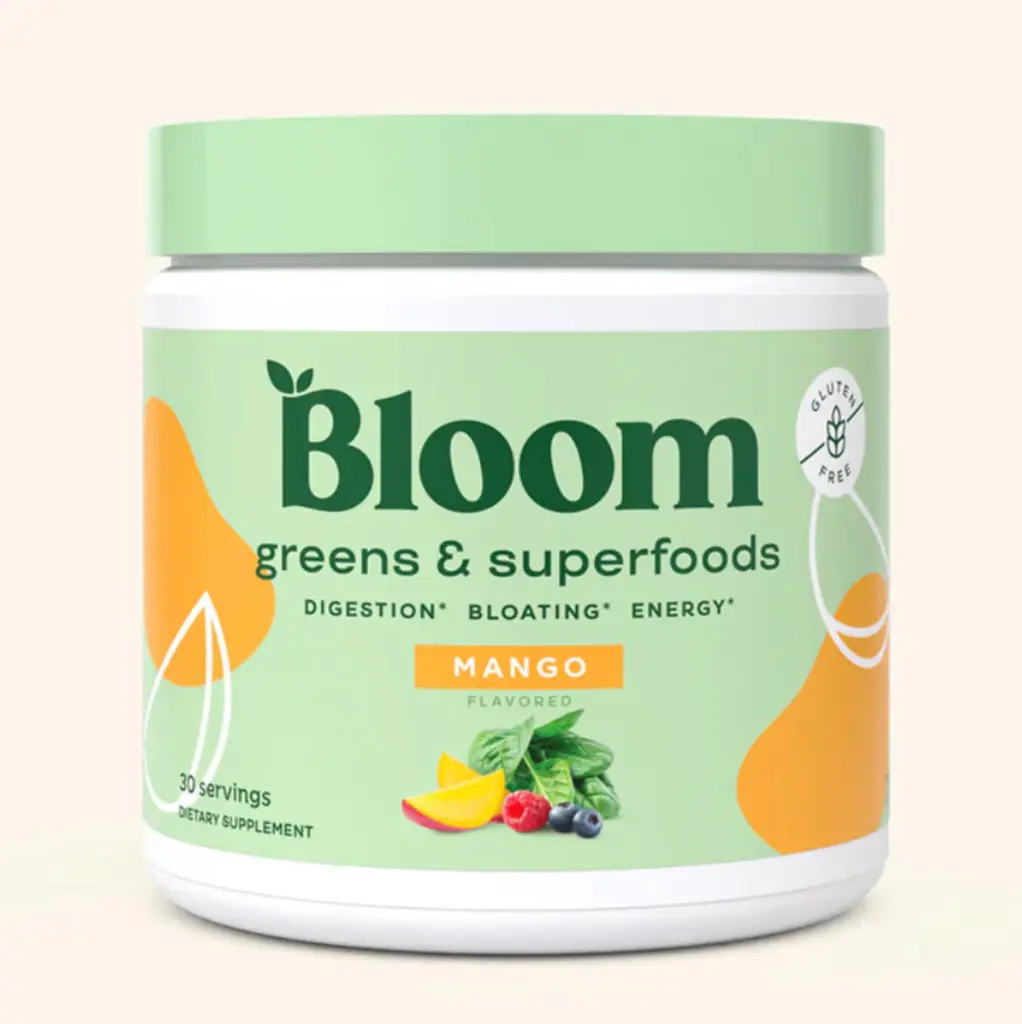
Pros
- Wide variety of fruity flavors
- Focus on reducing bloating
- Vegan, gluten-free, dairy-free
- Reasonably priced ($40)
- Available in Target & Amazon
- Contains probiotics and digestive enzymes
Cons
- Very little ingredient transparency
- Clumpy — doesn't mix well
- No vitamin or mineral content disclosed
- Not organic
- Contains stevia
- No third-party testing
If AG1 is the slick, celebrity-backed option, and IM8 is the science-led heavyweight, then Bloom is the influencer-approved wellness product — one that looks lovely on your kitchen counter but doesn't quite deliver where it counts.
Bloom is everywhere on social media — pastel packaging, fruity flavors, and the marketing hook of "beat the bloat." It's also easy to find in major retailers, which is genuinely a plus. But when I dug into the ingredient label and the formulation, Bloom started to feel more like a fun wellness drink than a serious nutritional supplement.
What I Loved
Bloom is widely accessible, which makes it an easy entry point for people who don't want to buy online or commit to a subscription. The low-calorie content and the pre/probiotic-and-digestive-enzyme focus is a legitimate selling point. The fruity flavor range is impressive — I tried Orange Passionfruit, and while it was a touch too sweet for me, I can see the appeal. At $40 for 30 servings, the price is also approachable.
What Could Be Better
The transparency problems are real. Most greens powders at least disclose their vitamin and mineral amounts. Bloom doesn't. There's no way to assess what nutritional value you're actually getting. The ingredient dosages aren't broken out either, so you can't tell whether the greens are present in clinically meaningful amounts or just for label appeal. And I couldn't find evidence of third-party testing.
The mixability was also a struggle. Even with an electric whisk, I had clumps on the surface after mixing. The taste was a bit too sweet for my preference (I'm coming at this as a 58-year-old, mind you — younger drinkers may feel differently).
Overall, Bloom feels more like a flavored wellness beverage than a supplement I'd recommend to my clients. It doesn't begin to compare to IM8's research-backed formulation or AG1's more established ingredient profile.
4. Thorne Daily Greens Plus: The Clinical-Grade Contender
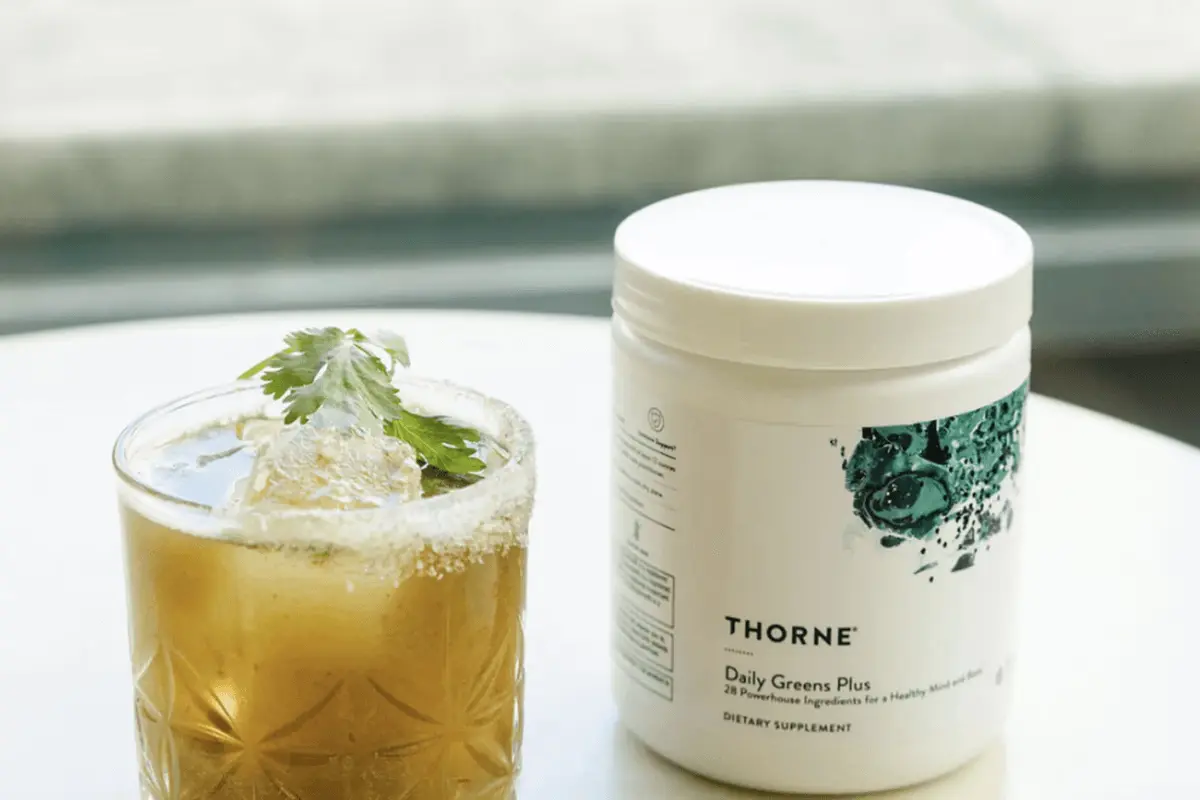
Thorne Daily Greens Plus
Thorne is a name that carries weight in the supplement world, and their greens powder lives up to that reputation. Transparent dosing, high-quality ingredients, and professional trust make it a strong contender if you're after a clinical-grade product.
What I Love
Thorne's transparency is refreshing — no hidden blends, no guessing games. It's a solid, high-quality option, trusted by practitioners (myself included, historically), and backed by thoughtful formulation.
What Could Be Better
While priced more affordably than premium options like IM8 and AG1, it still isn't inexpensive. The formulation is strong, but the flavor leans more medicinal than refreshing. If taste matters to you for a daily habit — and it should — this one may not be the most enjoyable.
5. Organifi Green Juice: The Adaptogen-Fueled Classic
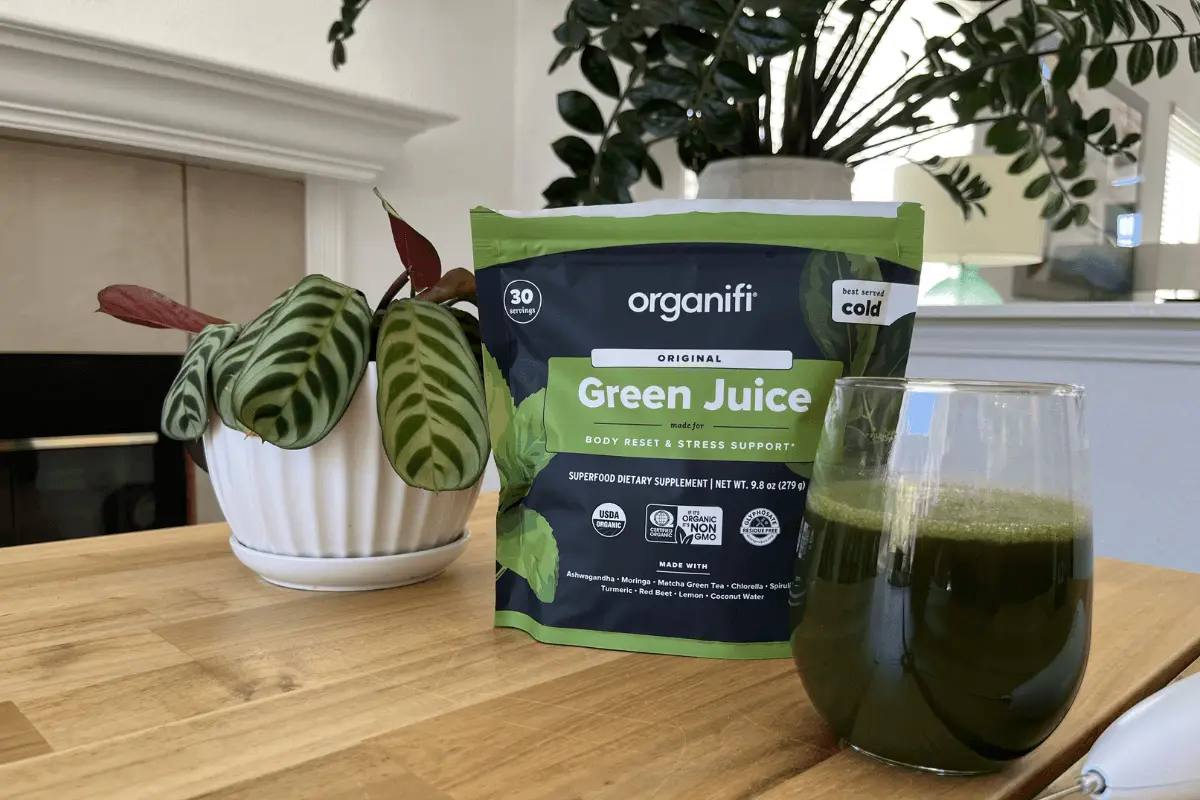
Organifi Green Juice
Organifi has carved a niche by going beyond just greens, adding stress-supporting adaptogens like ashwagandha. It's a clean, organic option that's easy to slot into a busy routine. A good entry point — though it doesn't have the nutritional depth or clinical backing of newer formulations.
What I Love
Organifi keeps it simple with organic ingredients and a thoughtful focus on stress support. I appreciate the lower sugar content compared to many options on the market, which makes it an easy daily addition for clients trying to manage cortisol patterns.
What Could Be Better
While it's a good starting point, the formula is basic. Limited variety of greens, lower protein, lower nutrient density compared to more comprehensive, clinically backed options.
6. Ka'Chava Superfood: The All-In-One Meal Replacement
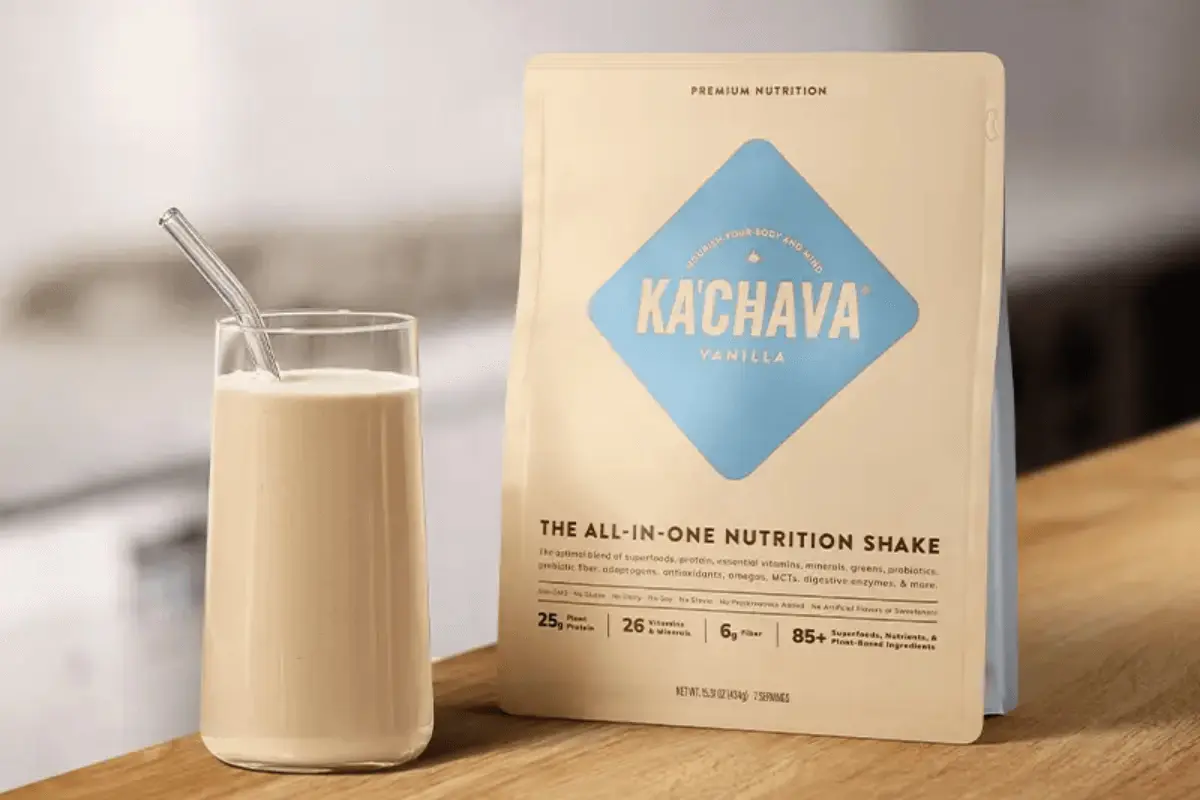
Ka'Chava Superfood
Ka'Chava is more than a greens powder — it's a full meal replacement packed with protein, fiber, and adaptogens. It's perfect for clients who skip breakfast or eat on the go, but it's a lot of formulation if all you really want is a daily greens boost.
What I Love
The nutrition panel is genuinely impressive, and it's a great catch-all for busy days. The protein and adaptogen content is a bonus when you're treating it as a meal.
What Could Be Better
It's expensive, and the texture is thicker than a typical greens powder. For someone who just wants a quick greens supplement in the morning, it can feel heavy.
7. Vital Supergreen (The Beauty Chef): Beauty From the Inside Out
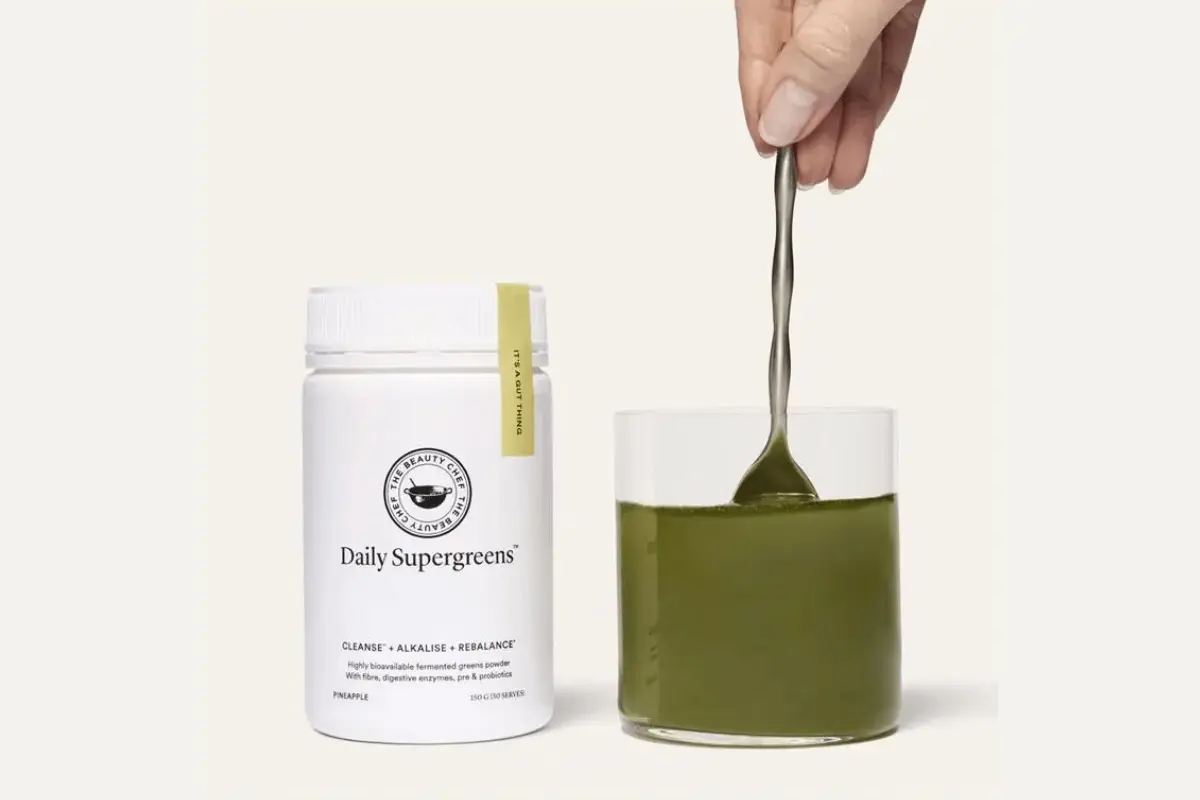
Vital Supergreen
Vital Supergreen takes a beauty-first approach, positioning itself as skin-supporting and alkalizing. It's a fine pick if your priority is skin and gentle daily use — though it doesn't deliver the same nutritional punch as more performance-driven powders.
What I Love
I like that Vital targets skin health alongside general wellness, with a blend of organic ingredients. The branding is genuinely lovely and the formula is gentle for daily use.
What Could Be Better
The trade-off is a higher price and a less robust nutritional profile. A good beauty supplement, but not my pick for full-body health support — especially in the 50+ bracket where joint, energy, and cognitive support matter more.
8. Huel Daily Greens: The Convenience King
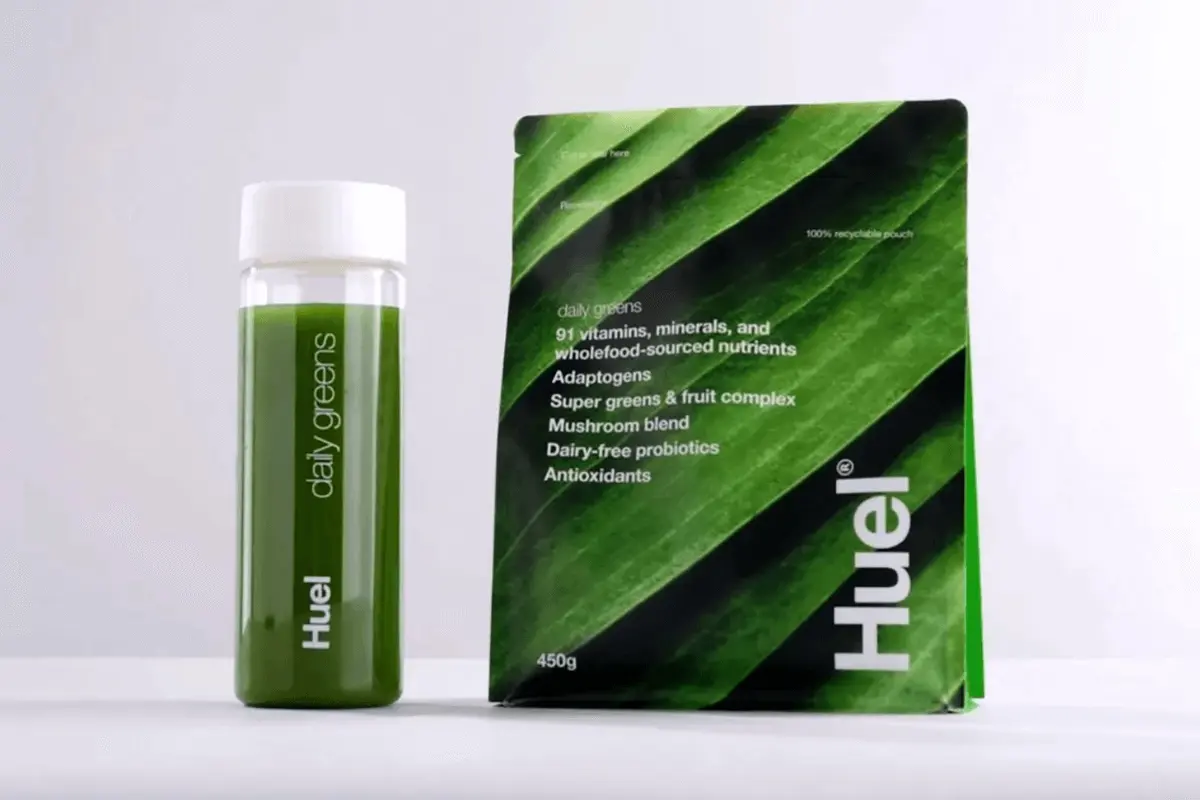
Huel Daily Greens
True to the Huel brand, Daily Greens is built for convenience. If you're already a Huel user, this fits into your routine seamlessly. But it's not the most nutrient-dense or clinically validated option on this list.
What I Love
Huel makes it easy to add greens to your day without overthinking it. It's low-calorie, practical, and designed for busy lives.
What Could Be Better
The greens blend is on the smaller side, the flavor is mild to the point of bland, and the lack of robust third-party testing leaves a gap in quality assurance. A decent convenience option, but not one I'd lean on for serious daily nutrition.
9. Alaya Super Greens: The Wellness Purist's Choice
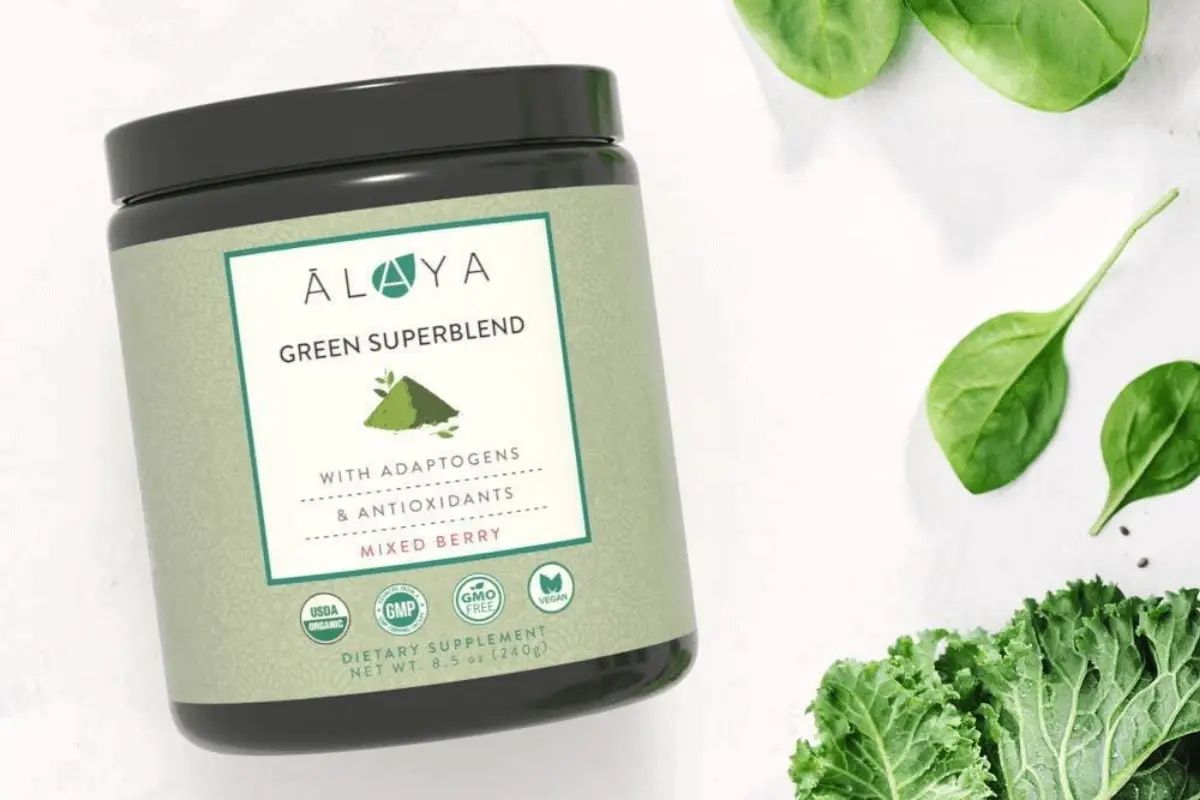
Alaya Super Greens
Alaya is for the clean-living crowd — organic, vegan, transparent about what goes in. A great fit for anyone wanting simplicity without synthetic extras.
What I Love
The organic certification, transparent sourcing, and smooth mixability make it a standout for clients who want a straightforward, no-nonsense product.
What Could Be Better
It doesn't include probiotics or adaptogens, and the overall nutrient potency is lower than more comprehensive options. A simple, clean choice — but not a comprehensive one.
10. Amazing Grass Greens Blend: The Old-School Budget Favorite
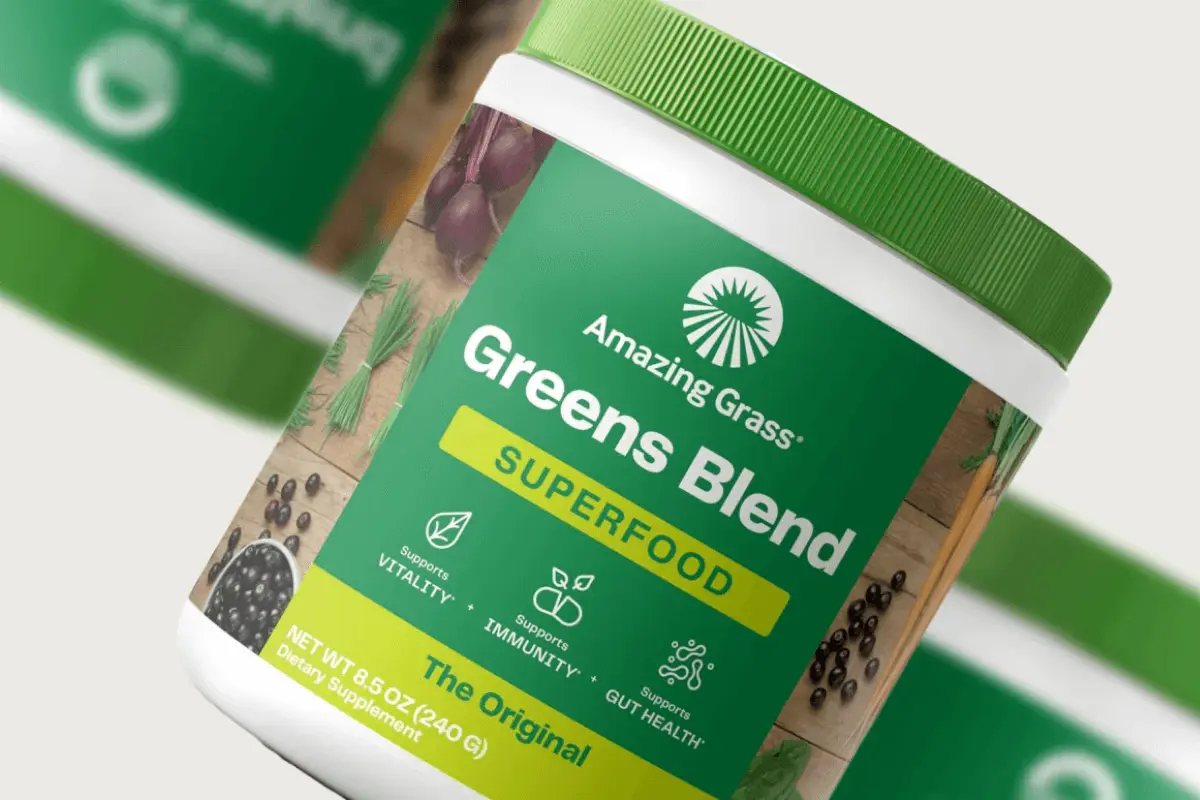
Amazing Grass Greens Blend
A staple in the greens category, Amazing Grass has been around for years — and for good reason. Affordable, accessible, and a simple way to get started. But compared to newer formulations, it's starting to feel dated.
What I Love
The price is hard to beat, and the brand's longevity adds some trust. Organic, no-frills, and widely available — a reliable starter option.
What Could Be Better
It doesn't quite stack up on bioavailability or nutrient diversity. The formula is simple, but lacks the more advanced blends and dosing precision you'll find in higher-quality powders.
11. Primal Greens: The All-In-One Budget Pick
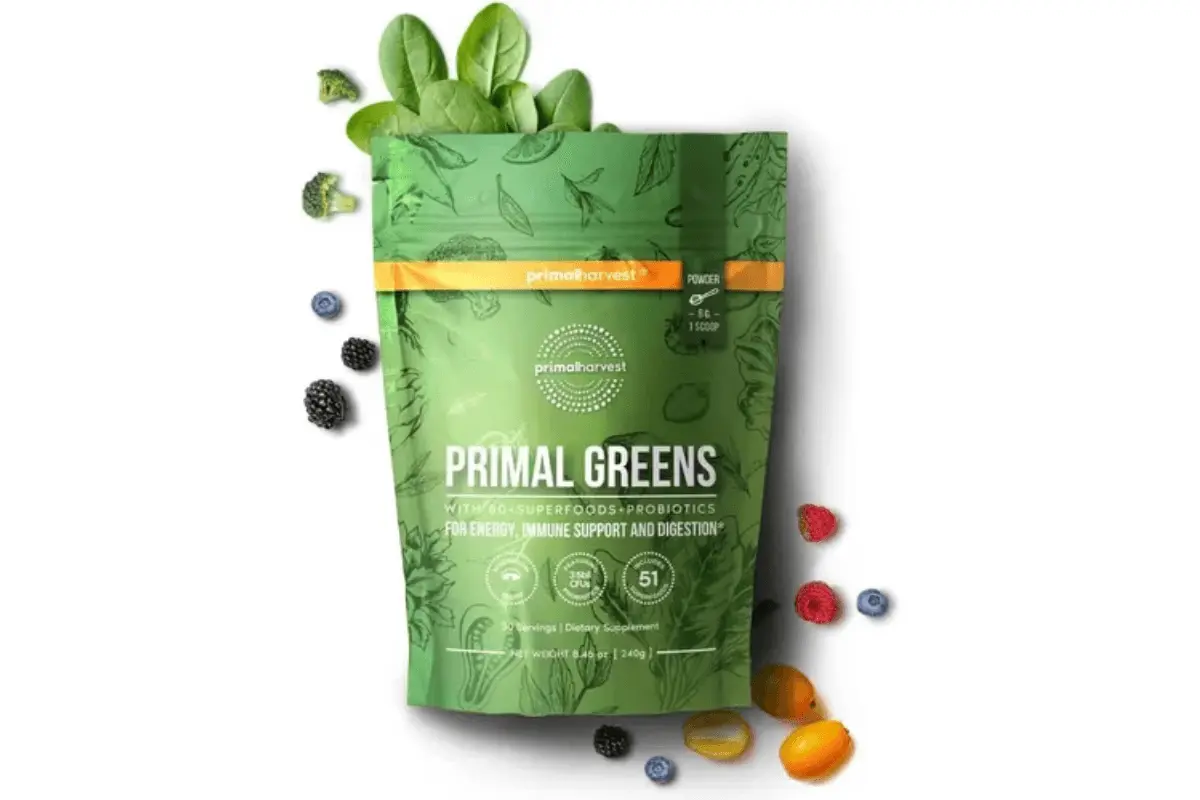
Primal Greens
Primal Greens covers a lot of ground — greens, adaptogens, probiotics — at an approachable price. The execution, however, leaves a bit to be desired.
What I Love
For the price, it's a decent catch-all. Digestive enzymes and adaptogens in one scoop is convenient if you're working with a budget.
What Could Be Better
The main drawback is the use of proprietary blends that hide exact dosages. The flavor is also just okay — not awful, but not something you'll look forward to.
12. Live It Up Super Greens: The Simple, Tasty Option
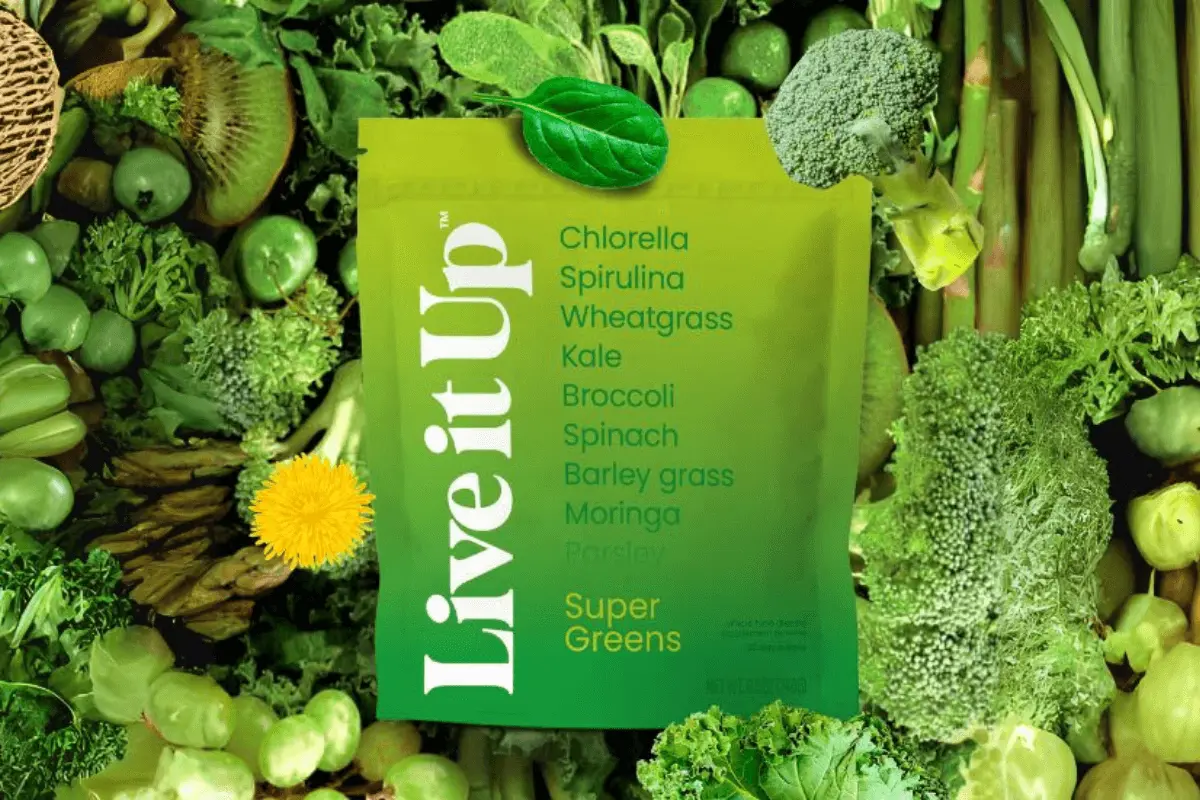
Live It Up Super Greens
Previously known as Ensō Supergreens, Live It Up focuses on simplicity and flavor. A beginner-friendly option with a clean ingredient list — though it doesn't match the nutrient breadth or third-party testing of premium options.
What I Love
It tastes good, mixes easily, and sticks to a clean, organic formula. For someone dipping their toe into the greens-powder world, it's an easy place to start.
What Could Be Better
If you're after deeper nutritional support or third-party testing validation, Live It Up falls short.
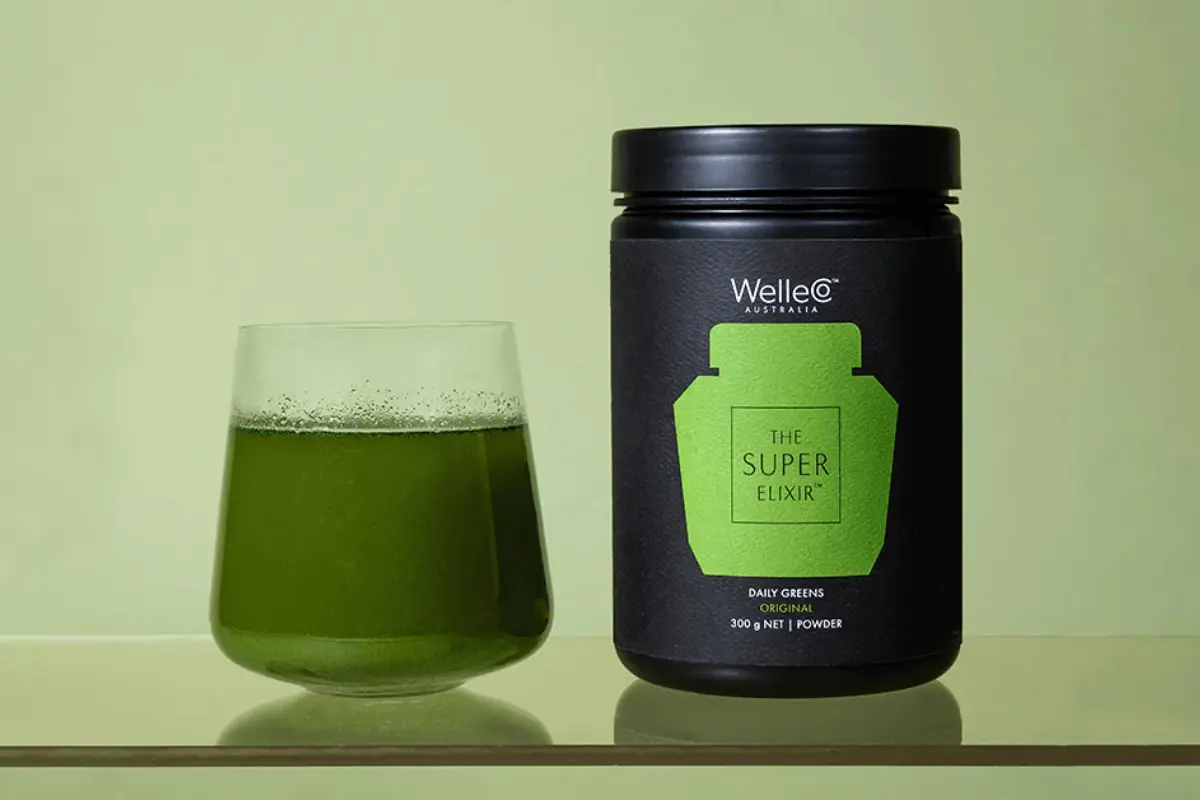
13. WelleCo Super Elixir: The Wellness Fashion Statement
WelleCo Super Elixir
WelleCo has nailed the wellness aesthetic — gorgeous packaging, celebrity founder Elle Macpherson. It's a luxury greens powder, but one that prioritizes style over substance.
What I Love
The branding is undeniably beautiful, and the focus on alkalizing greens is a thoughtful touch. It feels luxe in a way few powders do.
What Could Be Better
The nutrient density doesn't match the price tag. If you're serious about getting the most nutrition per scoop, there are better options.
Why I Chose IM8 — My Final Verdict
After several weeks of careful testing — every label read, every powder mixed, every flavor judged by my husband — I genuinely didn't expect IM8 to come out on top. But here we are.
It checked every box on my non-negotiables list:
- A wide range of high-quality, nutritious ingredients in bioavailable forms and clinically meaningful doses
- Full label transparency — every ingredient, every amount
- Genuine third-party testing and published clinical data
- Supports a wide range of benefits — energy, digestion, joint comfort, immune support, hydration — all in one daily scoop
- And, perhaps most importantly for daily compliance: it tastes good enough that I actually look forward to it.
At $78, IM8 isn't the cheapest option. It's a premium product. But when I tallied up what my clients are typically spending on separate supplements — a clinical probiotic ($45), magnesium ($25), CoQ10 ($30), a B-complex ($20), antioxidant blend ($35), electrolytes ($25) — the math came out clearly in IM8's favor. And it's still less than the $99 AG1 charges for a less transparent, less potent formula.
I've already started introducing IM8 to my private clients, which I would not be doing if I didn't believe in it. The feedback has been some of the most enthusiastic I've heard in 30 years of practice. Less afternoon fatigue. More regular digestion. Joints that aren't barking in the morning. One client in her late 60s told me last week, "Linda, I haven't felt this clear-headed since I was 50."
Now, a final word from the dietitian: supplements don't replace whole foods or a balanced lifestyle. They never will. But if you've been doing the basics — eating well, moving daily, sleeping enough — and you still feel like something's missing, IM8 may be the safety net that closes the gap. It is, in my professional opinion, the most comprehensive and well-formulated daily supplement currently on the market.
A note on this review: This reflects my personal testing and professional opinion after several weeks of use. I only recommend products I use and would recommend to my own clients. As always, please consult your healthcare provider before starting any new supplement, particularly if you take medications or have an existing condition.