

I'm going to say something the wellness industry has a strong financial incentive not to tell you.
You are not failing your health. Your health strategy is failing you.
In eighteen years of working specifically with women in their forties and fifties, the pattern I see most often is not laziness or neglect. It is the opposite. It is a woman who eats clean, who exercises four or five days a week, who has read the books and listened to the podcasts and has a countertop full of supplements she takes with genuine commitment — and who still wakes up tired, still struggles through the afternoons, still feels like she is operating at 70% of her former capacity, and has no idea why.

The reason this happens — and the reason it keeps happening regardless of how disciplined she is — comes down to a set of biological changes after 40 that most conventional health advice completely fails to address. Not because the information doesn't exist. Because fixing it properly would require admitting that the $200–$400 per month supplement stack isn't working.
After 40, your body's ability to absorb, convert, and utilise the nutrients you consume begins to change in ways that accelerate with every passing year. Stomach acid production declines, reducing the absorption of B12, iron, calcium, and zinc. Mitochondrial efficiency drops, meaning cells produce less energy from the same fuel. Oestrogen shifts alter brain metabolism, amplifying every nutritional gap. And the gut microbiome — the system that governs not just digestion but immunity, mood, skin quality, and cognitive function — becomes increasingly sensitive to the shortfalls that were manageable in your thirties.
None of this is visible on a standard blood panel. None of it triggers a clinical diagnosis. You will be told you are healthy. And you will still feel the way you feel.
Below are the seven signs I look for when a client comes to me convinced she is doing everything right but still feeling half of herself. If you recognise three or more of these, you are not imagining it — and the solution is not to try harder. It is to understand what your body actually needs now, and to stop wasting money on a strategy that was never going to deliver it.
This piece references two physicians whose work has directly shaped the clinical nutrition framework I now recommend to every client over 40. Their perspective is worth reading — because what they say contradicts almost everything the supplement industry wants you to believe.
Not groggy. Not "I need a coffee." Tired in a way that the coffee doesn't touch. A flatness that is there before the day has even started. You remember when mornings felt completely different — when energy arrived automatically, when the first hour had momentum. That is gone. And at some point, without noticing exactly when, you accepted it as just the way things are now.
That acceptance is costing you more than you know. Because what is happening is not a tiredness problem. It is a cellular energy failure — and those are very different things with very different solutions.
After 40, your body's production of CoQ10 — the compound your mitochondria depend on to convert food into usable cellular energy — declines measurably and progressively. Mitochondria are the power generators inside every cell, and CoQ10 is the fuel they run on. When levels drop, your cells produce energy less and less efficiently. You eat well. You sleep enough. But the biological machinery that should be converting all of that input into actual vitality is quietly failing. The result is not fatigue from overwork. It is a structural cellular shortfall that no amount of sleep, clean eating, or positive thinking will reverse — because CoQ10 at clinical doses is essentially impossible to obtain from food in the quantities your body now requires.
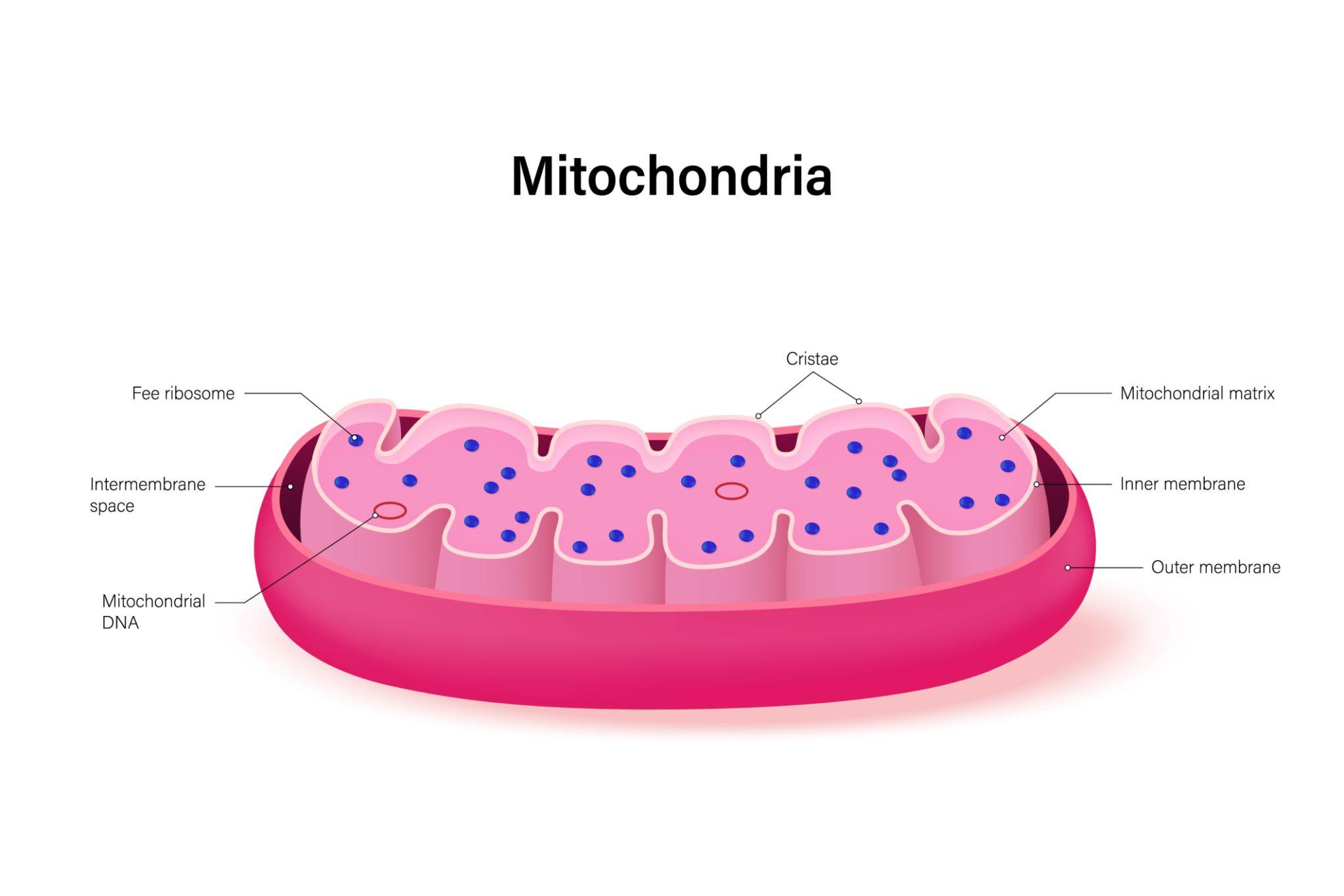
Here is the thing that makes this particularly infuriating: most CoQ10 supplements deliver 30–50mg per dose. The research consistently supporting meaningful mitochondrial function points to 100mg or above. Most supplement stacks either skip it entirely or fairy-dust it at a fraction of the threshold dose — just enough to put it on the label, nowhere near enough to make a difference in your body. You have almost certainly been taking CoQ10 at a dose that is clinically inert. For years, possibly.
CoQ10 at a minimum of 100mg per serving — the clinical threshold. Not the 30mg in your current multivitamin. Not the 50mg in the standalone capsule. 100mg as part of a complete system where every other ingredient is also hitting its mark, because cellular energy production is a systems problem, not a single-ingredient problem.

The word that won't come mid-sentence. The meeting where you were half a beat behind. Reading the same paragraph twice because nothing is sticking. You have started compensating without realising it — more notes, more reminders, more double-checking things you used to hold in your head without effort. And the part that frightens you most is that you are not sure exactly when it became normal.
This is not stress. It is not age. It is a specific, measurable nutritional failure in the compounds your brain depends on for speed, precision, and recall. And it is almost certainly being made worse by the supplements you are already taking — because the B vitamins in most formulas are in the cheap, inactive forms that require conversion steps your ageing body increasingly cannot complete.
Cognitive function after 40 is acutely vulnerable to two compound failures that even clean diets consistently produce. First: B12 bioavailability. Most supplements use cyanocobalamin — the cheap synthetic form the body must convert to methylcobalamin before it can use it. After 40, as stomach acid and intrinsic factor decline, this conversion becomes progressively less efficient. You are absorbing less of what you are taking every single day, and the gap widens with age. Second: choline insufficiency. Your brain uses choline to synthesise acetylcholine — the neurotransmitter governing memory formation, learning, and mental agility. Choline is chronically under-consumed in women, particularly those who limit eggs, and virtually no supplement stacks provide it at meaningful levels. When oestrogen shifts begin affecting brain metabolism, both of these deficits accelerate simultaneously, and the result is the exact cognitive thinning that most doctors attribute to "just getting older."
Vitamin B12 exclusively as methylcobalamin at 200mcg (8,333% DV) — the bioactive form that bypasses the conversion failure entirely. Choline bitartrate at 55mg for acetylcholine production. And Vitamin B6 in its active pyridoxal-5-phosphate (P5P) form at 5mg (294% DV) — not the inactive pyridoxine HCl in most supplements, which your body must convert using the same enzymatic pathways that decline after 40.

"Most women over 40 come to me having tried everything — the clean diet, the supplements, the sleep protocols. What they have almost never tried is a formula that actually delivers clinical doses in bioactive forms. The difference between a supplement that lists methylcobalamin and one that delivers it at 200mcg is not a marketing distinction. It is the difference between a placebo and a genuine intervention."Double-board certified in Internal Medicine and Integrative Medicine · Gut health, hormone balance, and women's longevity specialist · Host of the "Save Yourself" podcast · Author on the science of fasting, nutrition, and female health optimisation after 40
"I eat better than almost anyone I know. I exercise five days a week. I take eight supplements every morning. And I still feel like I am operating through a layer of fog. My doctor says my bloods are fine. So why do I feel like this?"
You used to train hard on Monday and feel fine by Wednesday. Now Thursday arrives and there is still a dull ache in your knees, a tightness in your lower back that takes forty minutes to work out each morning, a reluctance in your hips that was not there two years ago. You have cut the intensity. Added rest days. Tried every topical product the internet recommends.
The stiffness stays. And beneath it sits a quiet, specific fear that you are probably not saying out loud: Is this just what my body is now? Is this the beginning of the decline I watched happen to my mother?

In the vast majority of women I work with, the answer is no. What looks like inevitable physical deterioration is almost always a specific deficiency in the compounds connective tissue, cartilage, and joints need to maintain themselves — compounds your diet cannot supply at clinical doses, and that your capsule-based supplement stack is physically incapable of delivering.
MSM (methylsulfonylmethane) is a naturally occurring sulphur compound essential for collagen synthesis, joint lubrication, and the reduction of exercise-induced inflammation. The research that produces meaningful joint outcomes in clinical trials consistently uses 1,500mg or more per day. This is a dose that is physically impossible to obtain from diet — and that most capsule-based joint supplements cannot deliver because of a simple constraint of format: a standard capsule holds approximately 700–900mg of powder in total. Before you have added anything else to the formula, MSM alone at clinical dose has already exceeded what fits in a single capsule. The supplement industry's solution is to put in less MSM and hope you don't read the label. Most people don't. The result is a joint supplement that produces no meaningful clinical effect — not because MSM doesn't work, but because you are not taking a dose that works.
MSM at 1,500mg daily — the PRO clinical dose, 50% above most standalone supplements. Vitamin D3 (VegD3®, plant-derived from algae) at 50mcg (250% DV) for bone density and immune modulation. Vitamin K2 (MK-7) at 100mcg to direct calcium into bone rather than arterial walls. And Calcium in dual-bioavailable form (Citrate + Tricalcium Phosphate) at 160mg. These four work synergistically. Delivering two at token amounts while skipping the others is not supplementation. It is wishful thinking.
You eat whole foods. You have cut gluten, or dairy, or both. You avoid processed things. You drink enough water. And yet — the bloating persists. Some days your digestion works and some days it simply does not, with no pattern you can isolate, no food trigger you can identify, no obvious cause. You have tried probiotics. Possibly several. One worked for a few weeks, then stopped. The problem is not that probiotics do not work. The problem is that you have been taking approximately one third of the gut intervention your body actually needs.
Gut health after 40 is a three-part equation, and the failure mode is almost always the same: most people supply one part and wonder why the system is still broken. The three parts are: prebiotics — the specific fibres that feed beneficial bacteria and allow them to survive and multiply; probiotics — the bacteria themselves, at colony counts high enough to matter (10 billion CFU minimum) using strains specifically engineered to survive stomach acid transit, which most cheap probiotics do not; and postbiotics — the bioactive metabolites produced by bacterial fermentation that directly regulate gut barrier integrity, immune response, and the gut-brain axis. Remove any one of the three and the system underperforms. The gut microbiome after 40 is also under simultaneous pressure from oestrogen decline, reduced stomach acid production, increased intestinal permeability, and the cumulative effect of every antibiotic course and dietary disruption of the previous two decades. A probiotic capsule alone is not equal to this challenge.
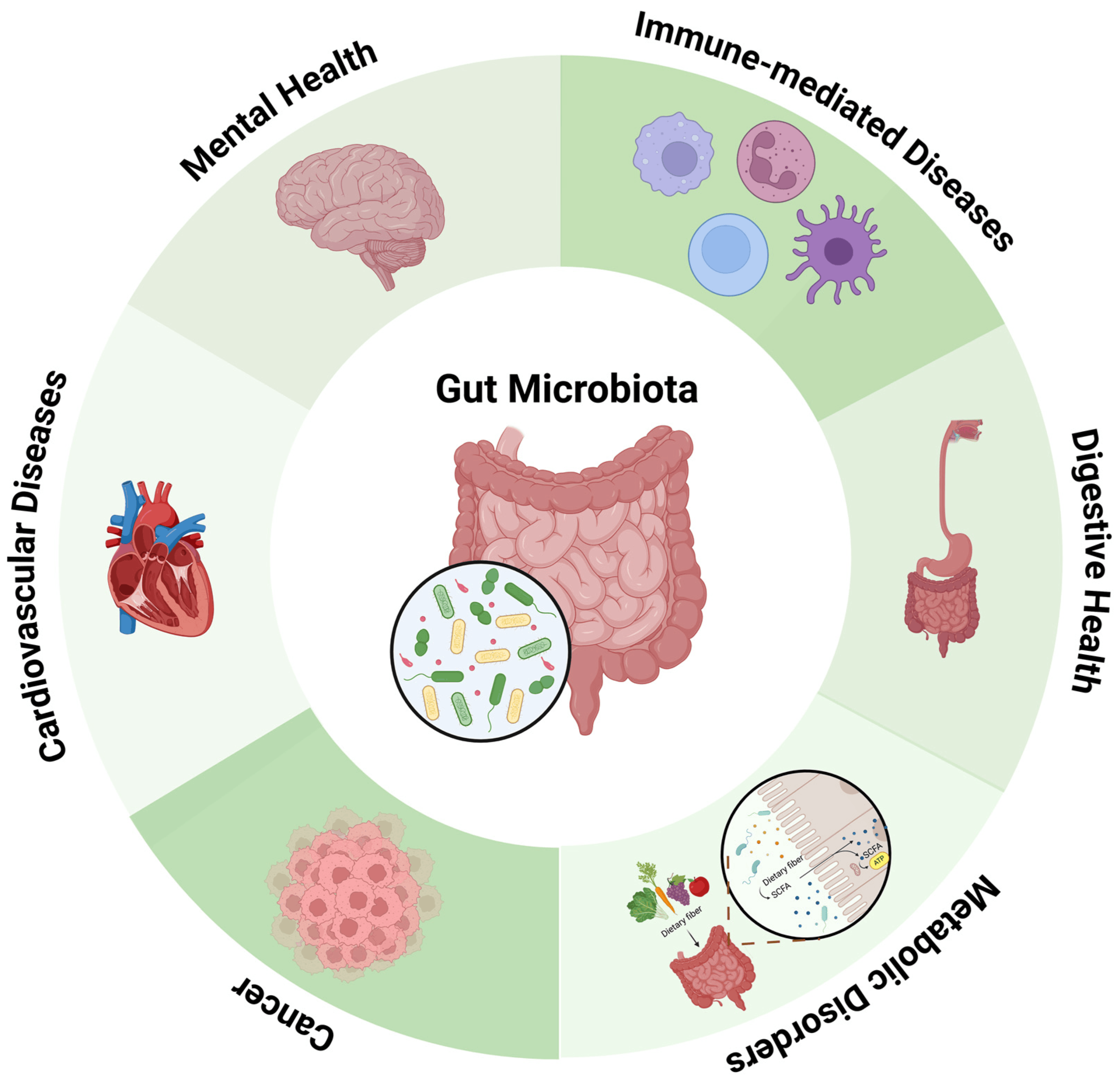

"The gut microbiome is not a static system. It responds — to diet, to hormonal shifts, to the quality of the prebiotics you provide. What we know from the research is that a complete system of pre-, pro-, and postbiotics at meaningful doses produces significantly better outcomes than any single component in isolation. Most commercial formulations are missing at least one of the three."Director, Human Microbiome Research Institute, Cedars-Sinai Medical Center · Leading authority on the gut-immune axis and the role of dietary fibre in microbiome composition · Scientific Advisor to IM8 Health
All three components, at clinical doses, in one formula: 3g of prebiotic fibre (50% more than AG1 provides), 10 billion CFU of shelf-stable probiotics using DE111® and Bacillus BC99® — strains specifically shown to survive stomach acid transit and reach the gut intact, unlike the majority of probiotic strains on the market — and FloraSMART® postbiotics at 25mg, clinically shown to improve digestive regularity, support skin health, and modulate immune response at the intestinal barrier. One formula. All three. Done.
You used to shrug off whatever was going around. You would feel something coming, push through it, be fine in two days. Now you catch everything. And when you do catch it, you are down for a week. The recovery leaves a residue — a lingering flatness that takes longer than it should to clear, a return to baseline that is slower than you remember. If you eat this well and still get this sick, it is not bad luck. It is your immune system running on nutritional fumes, and your current supplements are not fixing it because they are not dosing for it.

Immune resilience is directly shaped by micronutrient status at therapeutic levels — specifically Vitamin C at doses that actually drive immune cell function (500–900mg daily, not the 60–100mg in most multivitamins), Vitamin D3 at concentrations that push serum levels above the clinical threshold for immune modulation (50mcg/250% DV rather than the inadequate 25mcg most products provide), Selenium at 70mcg for antioxidant protection and thyroid function support, and Zinc at a level that supports immune cell production without excess. The research on immune outcomes shows a consistent pattern: it is not the presence of these nutrients that determines outcomes, it is whether they are present at the doses that produce a measurable immunological effect. "Not deficient" and "immunologically resilient" are not the same category. Your bloods can look fine while your immune system is fundamentally under-equipped.
Every year you spend running an underdosed immune protocol is a year your baseline resilience erodes a little further. This is not a reversible process on an infinite timeline. The gap between "healthy on paper" and "actually resilient" widens every year without intervention — and it widens faster after 50.
Vitamin C at 900mg (1,000% DV) — 114% more than AG1 provides. Vitamin D3 (VegD3®) at 50mcg (250% DV) in the plant-based algae form for superior absorption. Selenium at 70mcg — 250% more than standard formulations. Copper (Citrate) at 1mg (111% DV), which is 413% more than AG1. And Zinc at a properly calibrated dose — not the token trace amount that gets listed on labels without producing an effect. These are not interchangeable with half-doses. The threshold effects in immune function are real, documented, and the doses in your current stack almost certainly fall below them.
You have tried the collagen powder. The expensive serum. The hair supplement that promised density. Some of it helps at the margins. But there is a change in the mirror that persists regardless — a dullness the light no longer catches, a fineness to your hair that was not there five years ago, a surface quality that creams and serums cannot fully address no matter how much you spend. Topical products treat the surface of a systemic problem. And a systemic problem does not respond to surface treatment.

Skin and hair quality after 40 are downstream of at least four simultaneous biological systems: collagen synthesis (which requires Vitamin C at clinical doses as a rate-limiting co-factor — the collagen molecule alone is not sufficient); antioxidant defence against the oxidative stress that accelerates cellular ageing at the skin level (astaxanthin is among the most powerful natural antioxidants for this purpose, but it appears in almost no standard supplement stacks at a meaningful dose); the gut-skin axis, where postbiotic compounds have now been clinically shown to produce measurable improvements in skin regularity and appearance by modulating intestinal immune responses; and the biotin-B-vitamin complex, which governs the keratinocyte activity responsible for hair growth and integrity. When women report glowing skin and thicker hair on a comprehensive formula, they almost always attribute it to the collagen or the biotin. In practice, it is what happens when all four systems receive what they need simultaneously — for the first time, often, in years.
Vitamin C at 900mg as a collagen synthesis co-factor. AstaPure® Astaxanthin — one of nature's most potent antioxidants, in the patented form with documented skin, eye, and cardiovascular protective effects. Biotin at 300mcg (1,000% DV) for hair, skin, and nail metabolism. FloraSMART® postbiotics at 25mg for the gut-skin axis. And CRT8™ Cell Renewal Technology at 100mg (+300% vs the original formula) — a proprietary cellular rejuvenation complex for enhanced vitality and autophagy support that addresses ageing at the cellular level rather than at the surface. You cannot buy these outcomes at a beauty counter. They come from inside.
"I wasn't expecting the skin change. I started taking it for energy and the joints. By week six, three separate people asked me what I had changed. I hadn't changed anything else."
This is the sign most women take the longest to say out loud. Not depression. Not anxiety, exactly. Something quieter and more corrosive than either of those clinical categories. A thinning of the buffer between you and the world. Things that would have rolled off now catch. A short fuse you do not recognise as yours. Evenings that feel flat where there used to be something more. A gradual contraction of the capacity for joy, enthusiasm, and resilience that once came naturally — and a growing fear that this is who you are becoming.
You are not becoming this person. This is a nutritional problem with a nutritional solution. Specifically, it is a deficit in the compounds your brain uses to regulate its own emotional homeostasis — and it is being made worse every day by the magnesium form in your supplement that your brain cannot effectively use, and the serotonin precursors that are not in your formula at all.

Mood regulation, stress tolerance, and emotional resilience are directly modulated by three nutritional systems that almost every supplement stack handles badly. Magnesium: the vast majority of magnesium supplements use magnesium oxide, which has extremely poor bioavailability and is largely excreted before it reaches the brain. Magnesium bisglycinate chelate — the form that crosses the blood-brain barrier efficiently — supports deep sleep, muscle relaxation, and regulation of the HPA axis, the stress-response system that governs anxiety and emotional reactivity. Saffron extract: multiple randomised controlled trials have now demonstrated that saffron at 30mg produces mood-stabilising effects comparable to low-dose pharmaceutical interventions, without the side-effect profile, through its action on serotonin reuptake and cortisol modulation. This is new science, and it is not in your current formula. The B-vitamin complex: serotonin, dopamine, and GABA are all synthesised via pathways that require active B6, B12, and bioactive folate (Quatrefolic® — not folic acid, which many women over 40 cannot convert efficiently). Most women are running their entire neurochemical system on the inactive, cheap forms of these co-factors — and it shows in exactly the way you are describing.
I have watched women attribute years of emotional flatness to stress, to their season of life, to circumstance. In a significant number of cases — not all, but many — the trajectory begins to reverse within six to eight weeks of getting the right compounds at the right doses. The relief when they recognise themselves again is something I have never gotten used to seeing. Do not accept emotional diminishment as an identity. It is a deficiency. And deficiencies have solutions.
Magnesium as bisglycinate chelate at 100mg — the chelated form that crosses the blood-brain barrier, not the oxide form you are almost certainly currently taking. Saffron extract at 30mg — a NEW addition to the PRO formula, with clinical evidence for mood balance, cognitive focus, and stress resilience. Vitamin B6 as P5P (pyridoxal-5-phosphate) at 5mg — the active neurological co-factor. Folate as Quatrefolic® — the superior bioactive form for DNA synthesis and neural health. And Chromium Picolinate at 100mcg (286% DV) for blood sugar regulation and insulin sensitivity — the metabolic stability that is the foundation of consistent mood and energy. Every single one of these is in the formula. Not one or two of them. All of them.
The "Clinical Dose" Test: How to Tell If Your Supplement Actually Works
Before I tell you what I eventually found, let me give you the test that I now apply to every supplement formula I evaluate. It takes thirty seconds and it will reframe everything you currently take.
Look at your current supplements. For each ingredient, check whether the dose listed matches the dose used in the clinical trials that produced positive results. Not whether the ingredient appears. Whether the dose is there.
CoQ10 at 100mg or above? MSM at 1,500mg? Vitamin D3 at 50mcg? B12 as methylcobalamin at 200mcg? A complete prebiotic-probiotic-postbiotic system? Saffron at 30mg? Magnesium as bisglycinate, not oxide?
If you are like virtually every woman I work with, the answer across all seven is no. You are taking the doses that fit in a capsule. You need the doses that produce clinical outcomes. Those are not the same number.
A standard capsule holds approximately 700–900mg of powder. One scoop of a clinical-dose powder formula can hold 12,000mg. That is not a marginal difference. That is a 1,100% increase in active ingredient capacity. It is the reason why everything I have described in this article — every deficiency, every biological failure mode — can be addressed in a single daily drink that takes thirty seconds to prepare.
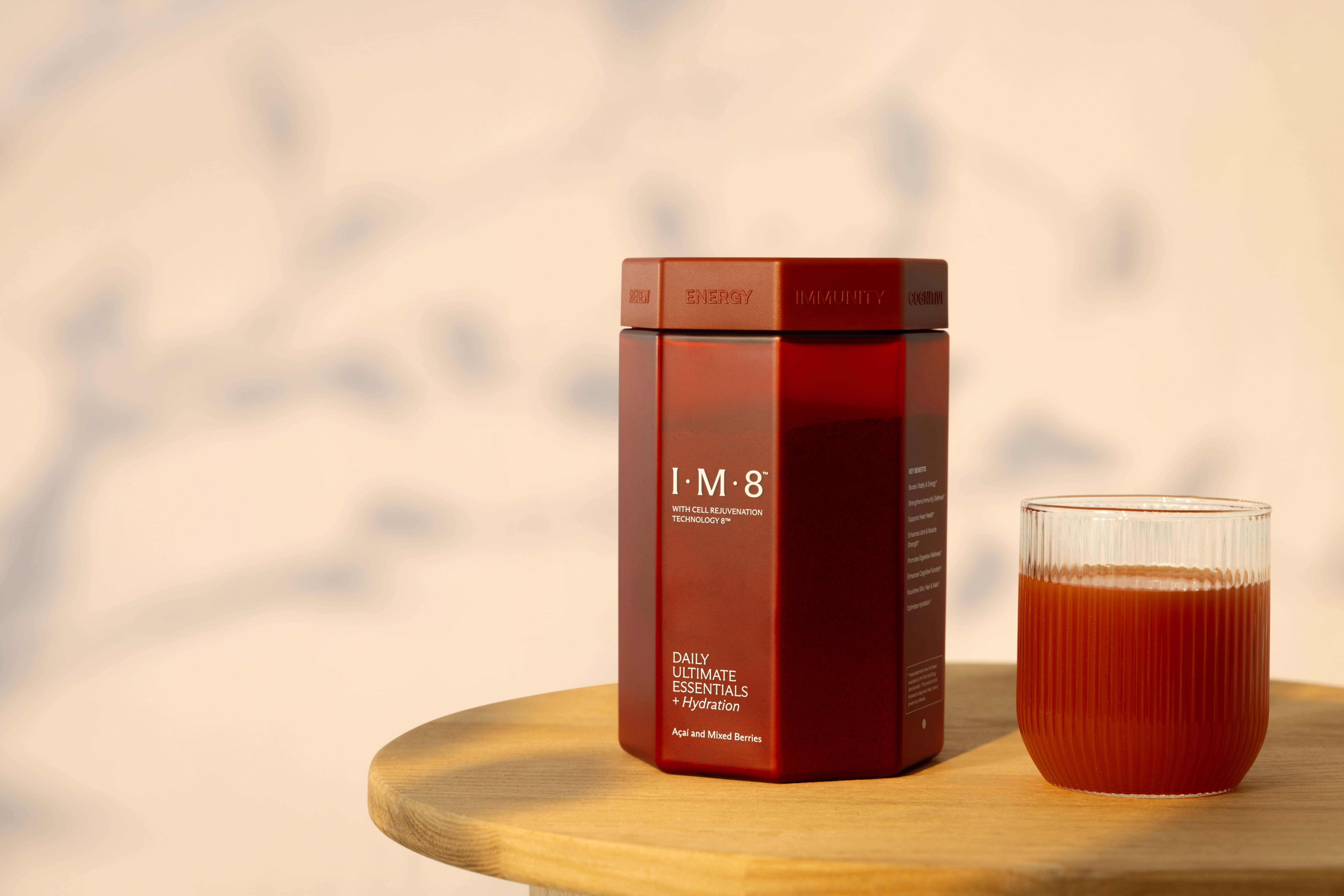
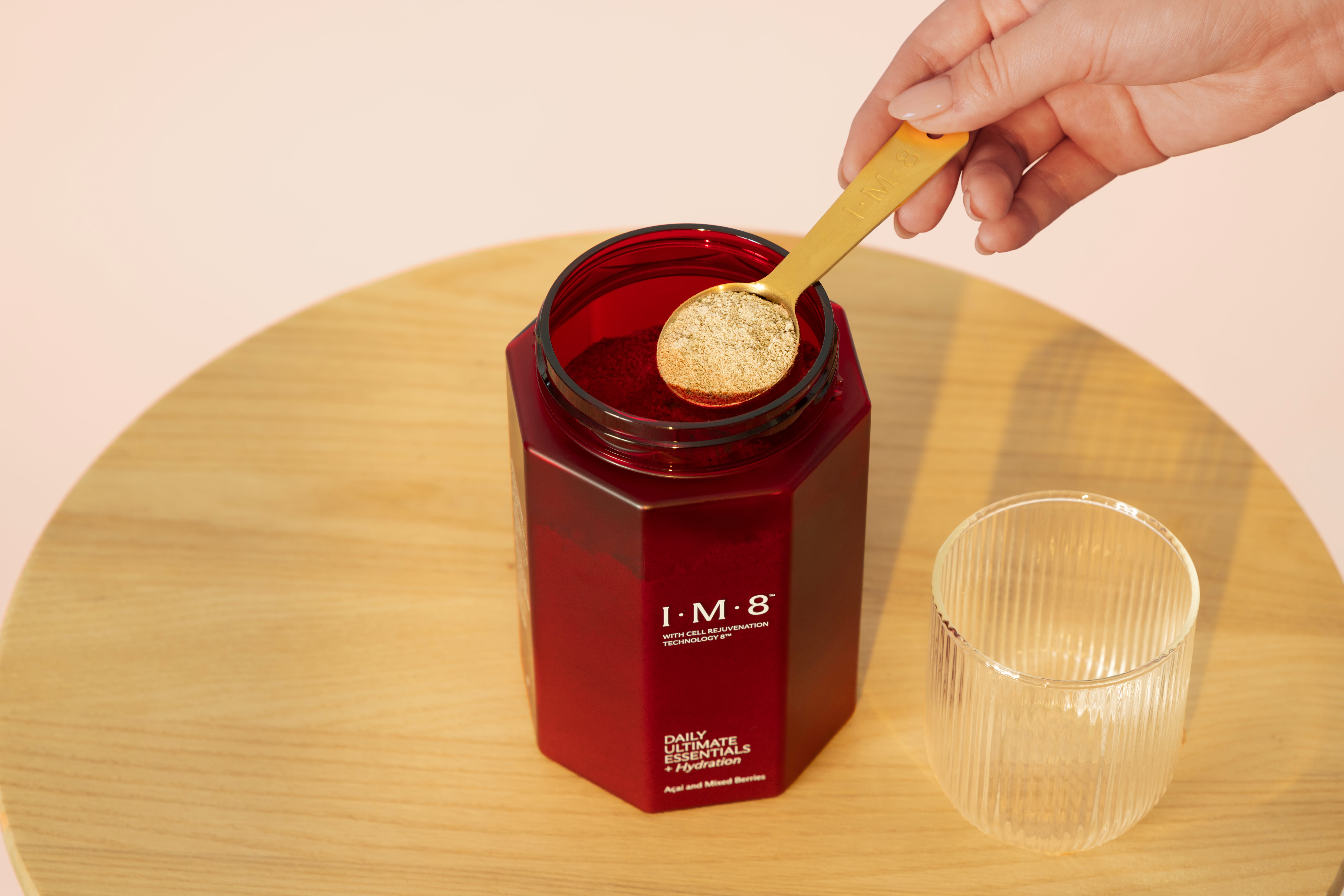
The company that built this formula is IM8. The product is called Daily Ultimate Essentials. And what made me take it seriously — what separated it from every other "all-in-one" greens powder I had evaluated over eighteen years — was not the ingredient list. It was the study design.
12-week randomised, controlled clinical trial · San Francisco Research Institute · Published on the National Library of Medicine (NCT06655597)
IM8 conducted a twelve-week randomised, controlled clinical trial on their actual finished formula — not on individual ingredients, but on the exact product the consumer receives, at the exact doses it contains, in real people over a real twelve-week period. Published on the National Library of Medicine. This almost never happens. In eighteen years of this work, I can count on one hand the supplement companies that have done it.
Most brands claim "clinically studied ingredients." That means somewhere in the literature, someone studied the ingredient. It tells you nothing about whether that brand's formula, at that brand's doses, in that brand's delivery format, actually produces an effect. IM8 tested the actual product. The results above are what they found.
Every Dose. Every Form. All Disclosed.
No proprietary blends. No fairy-dusting. Every ingredient at the dose shown to produce a clinical effect — in the bioactive form your body can actually absorb and use. This is what a clinical-dose formula looks like:
Plus: Vitamin A (Retinyl Palmitate, 100% DV), Folate (Quatrefolic® — bioactive form), Choline Bitartrate (55mg), Chromium Picolinate (100mcg, 286% DV), Copper Citrate (1mg, 111% DV), Iodine (150mcg), Calcium (160mg), Manganese (3mg), Molybdenum (50mcg), Zinc, Vitamin E (d-Alpha Tocopheryl, natural form), Nutralga® omega support, superfoods, greens, adaptogens, digestive enzymes, super mushrooms, herbs, and hydration minerals. Total: 90 precision-optimised ingredients in the PRO formula.
| Key Ingredient | IM8 Essentials PRO | AG1 | Typical Stack |
|---|---|---|---|
| CoQ10 (clinical dose) | ✓ 100mg | ✗ Not included | Separate purchase |
| MSM (joint health) | ✓ 1,500mg | ✗ Not included | Separate purchase |
| Vitamin C | ✓ 900mg | ~420mg | Separate pill |
| Vitamin D3 | ✓ 50mcg (250% DV) | 25mcg | Separate pill |
| Prebiotic fibre | ✓ 3g | ~2g | Separate product |
| Postbiotics | ✓ FloraSMART® 25mg | ✗ Not included | Rare in stacks |
| Saffron extract (mood) | ✓ 30mg | ✗ Not included | Separate purchase |
| Clinical trial (own product) | ✓ 12-week RCT on NLM | ✗ | ✗ |
| Mayo Clinic Store listing | ✓ | ✗ | ✗ |
| Stevia-free | ✓ Fermented sugarcane | ✗ Contains stevia | Varies |
| NSF Certified for Sport | ✓ 280+ substances tested | ✓ | Varies |
| Trustpilot rating | ✓ 4.6 (941+ reviews) | 4.1 | — |
"I turned 60 last year. I had joint aches, felt sluggish, and had real brain fog. I couldn't keep a consistent supplement routine — too many to swallow. IM8 has changed all that. So easy, convenient, tastes great. I have energy, no aches and pains, and feel clear-headed. Love it."
 Jane · Verified Trustpilot · Age 60
"Game changer. Give it 30 days and you won't regret it. First few days I felt a difference in energy and less appetite. By the end of the month I just felt better overall. Almost 60 days in and my skin is genuinely glowing — and I'm 52."
 Verified Trustpilot · Age 52
"I'm into the 90-day milestone of taking IM8. Definitely feeling more energy, recovering faster from workouts, and my digestive health has genuinely improved. The difference in recovery alone was worth it."
 Verified Trustpilot · 90-Day Review
"Since using IM8 regularly over the last few months I am definitely feeling the benefits. More cognitive clarity, less fatigue. Family and friends have commented that my hair and skin look brighter. I wasn't expecting that part at all."
 Elizabeth Raine · Verified Trustpilot
"I've been on IM8 for a couple of months. I recommend it to my friends and to people who come to my yoga classes. No, it's not cheap — but it has replaced 90% of my other supplements and I spend far less overall."
 Verified Trustpilot · Yoga Teacher
"I had a gastric bypass, so daily vitamin supplementation is non-negotiable for me. When I went for my annual vitamin blood work, all my levels were beyond amazing. My doctor said, 'whatever you are doing, keep it up.' IM8 was the only thing I had changed."
 Beverly Rob · Verified Trustpilot
"I have been a customer of IM8 since December of 2025. I have recommended this product to many of my friends and family because I truly believe in the benefits that I myself have experienced first hand. I feel that this is truly a remarkable product and appreciate all the information that is shared about the product, but above all, it is how I feel and the energy that I have experienced since taking the product."
 Verified Trustpilot · Authentic 4-Star Review
If you hold an HSA or FSA account — which most health-conscious adults over 40 do — you can pay for it pre-tax, bringing the effective monthly cost down to around $62. That is $62 per month to replace a $300 problem. The maths are not complicated.
The question is not whether you can afford it. The question is whether you can afford to keep doing what you are currently doing — spending more, getting significantly less, and spending every day living with the exact seven signs described in this piece while your stack quietly fails to address a single one of them at a dose that matters.
Every Year You Wait, the Gap Gets Wider
The biological processes described in this piece — mitochondrial decline, gut microbiome degradation, inflammatory accumulation, neurochemical depletion — do not pause while you think it over. They compound. Every year of running an underdosed, fragmented supplement routine is a year your body did not get what it needed. That accumulates. The women who make this change at 47 have a fundamentally different trajectory than the ones who wait until 54.
"Compliance drives results. Results drive retention. The #1 reason supplement regimens fail is complexity — and complexity is the one thing IM8 eliminated entirely." — IM8 Clinical Brief
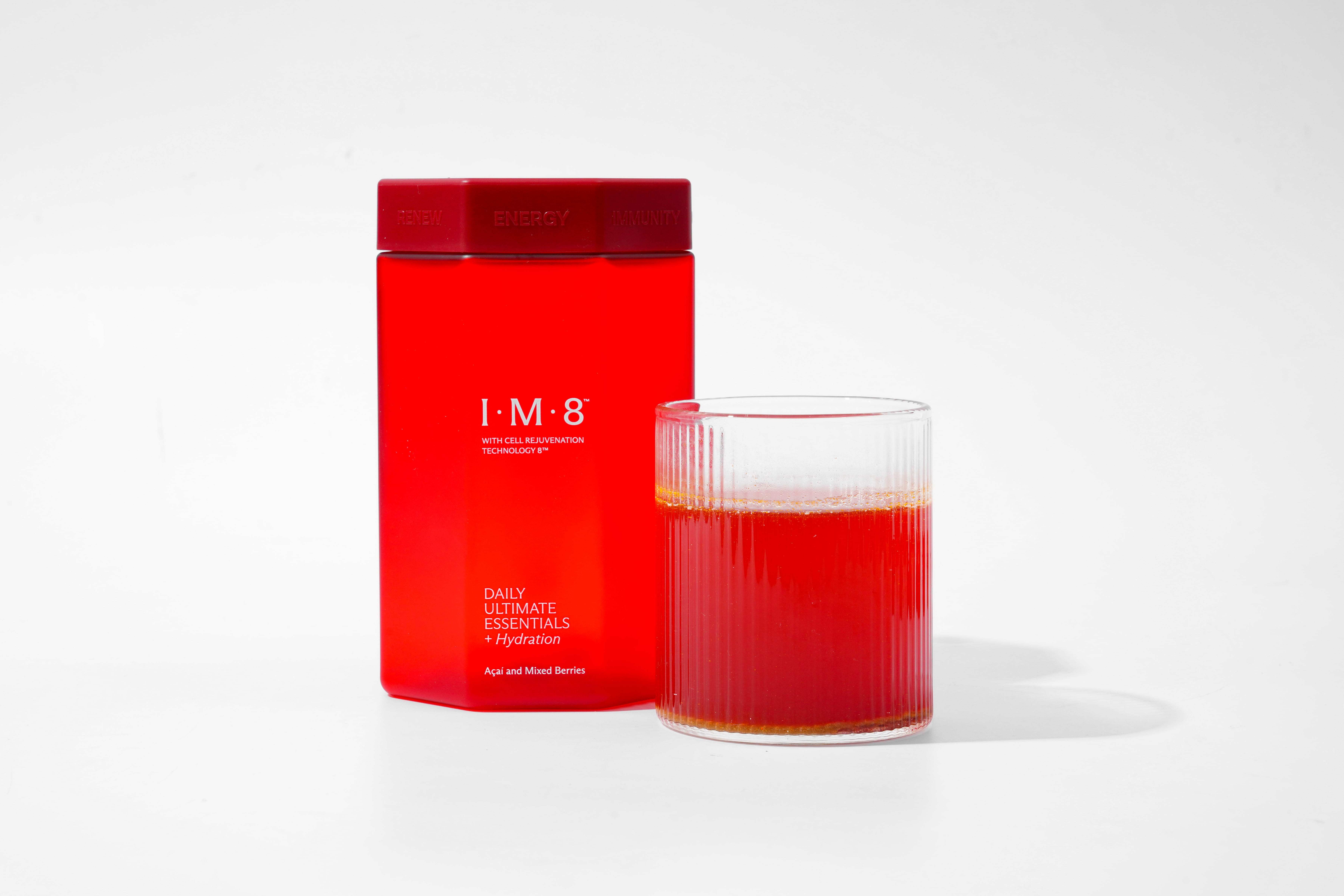
One scoop. Thirty seconds. $2.97 a day. A thirty-day money-back guarantee that means you risk nothing. The only thing you are risking by not trying it is another year of this.
TRY IM8 DAILY ULTIMATE ESSENTIALS — RISK FREEA Final Note for Anyone Who Has Recognised All Seven of These Signs
The women I have watched make this change — the ones who stopped building more complicated stacks and started building one system that actually worked — almost universally describe the same experience in the first ninety days. Not a dramatic transformation. A quiet return. The energy that arrives in the morning without requiring negotiation. The recovery that lets them train the way they want to train. The digestion that stops being a daily variable they manage around. The evenings that feel like themselves again.
They are not doing more. They are doing one thing properly, instead of sixteen things inadequately.
That is the only insight that matters. Everything else in this piece is in service of that one shift. Stop underdosing your biology. Stop outsourcing your health to a stack that was never going to deliver. And start doing the one thing that the clinical trial, the ingredient list, the 11,000+ verified reviews, and eighteen years of my own professional practice are telling you works.
$2.97 per day · Free shipping to US, UK, Canada & 31+ countries · Cancel anytime
HSA/FSA eligible — effective cost as low as $62/month
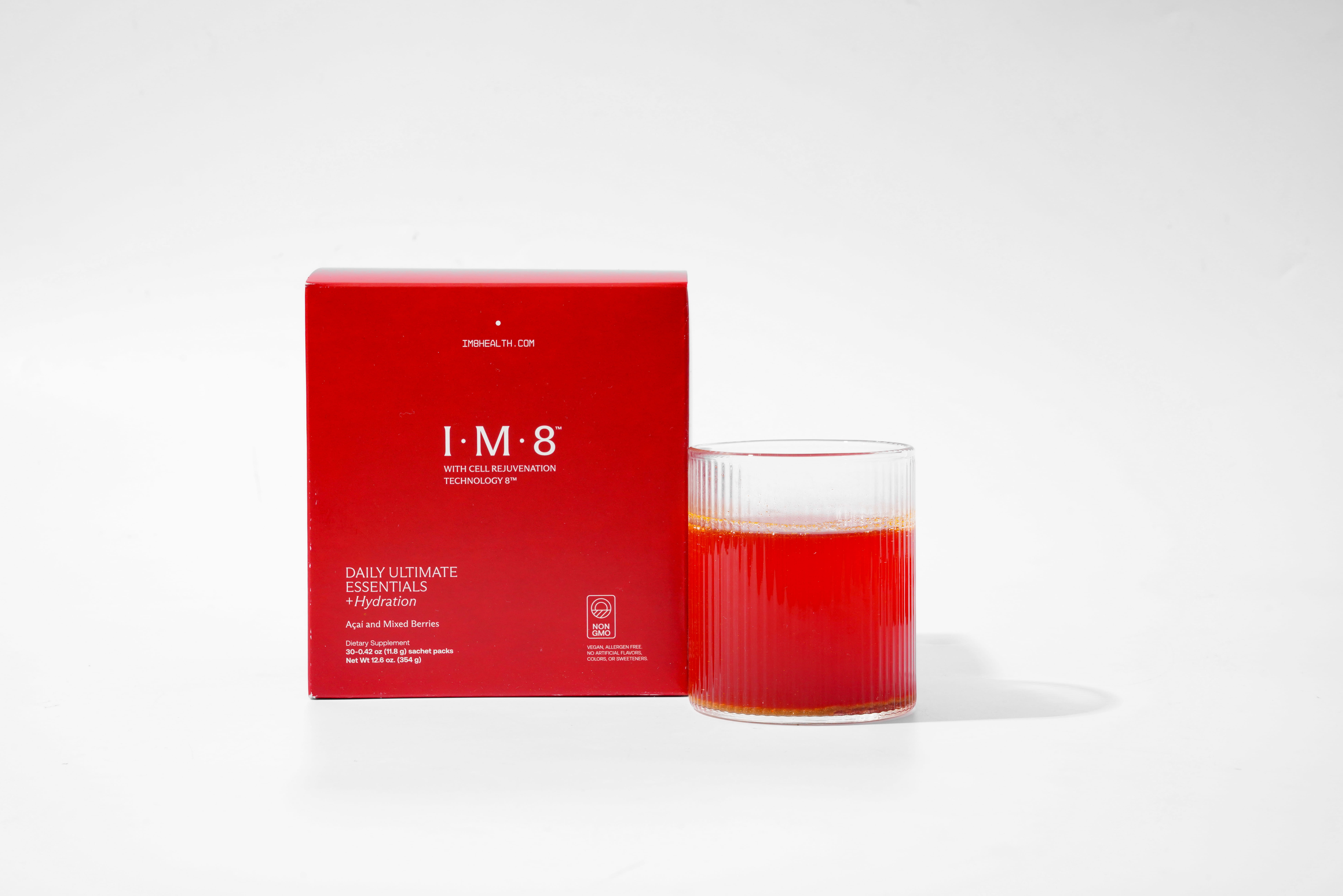 CLAIM YOUR FIRST MONTH — 30-DAY RISK-FREE GUARANTEE
 Sarah Calloway is a Functional Nutrition Researcher and Certified Longevity Coach based in Austin, Texas, with eighteen years of experience specialising in women's health optimisation after 40. This article reflects her personal research, clinical experience, and professional perspective. It does not constitute medical advice. Individual results vary. The statements in this article have not been evaluated by the Food and Drug Administration. This product is not intended to diagnose, treat, cure, or prevent any disease. This is a sponsored article produced in partnership with IM8 Health.